Meeting an urgent need
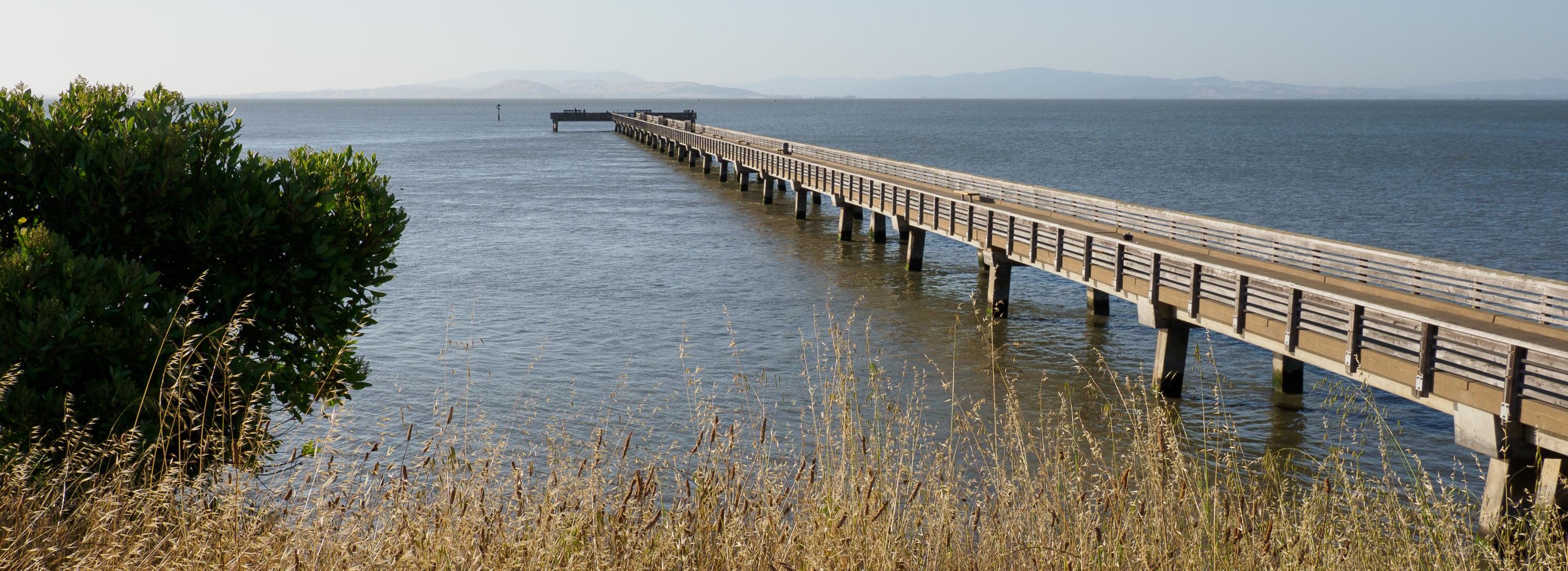
Concerns about declining water quality prompted the formation of the NMS in 2014, which is implemented by SFEI in collaboration with agency, science, and community partners. The NMS addresses potential nutrient related impacts to ensure the long-term health and sustainability of the Bay. Our collaborations inform nutrient management decisions with billions of dollars at stake.

Our Focus Areas

Water Quality Monitoring for Nutrient Management
The NMS builds upon decades of rigorous data collection efforts by the US Geological Survey (USGS) and others. NMS monitoring of nutrient status and trends sheds light on the Bay's changing response to rising nutrient concentrations. This work informs ongoing research, facilitating the interpretation of complex ecosystem dynamics and water quality patterns in the estuary.
Read More

Water Quality Models
Advanced numerical models play a crucial role in simulating the Bay's nutrient dynamics and ecological consequences. These models assess nutrient sources in different parts of the Bay, simulate future scenarios with shifts in nutrient inputs or climate change, and incorporate monitoring data to inform water quality thresholds. The innovative tools developed through the NMS educate the public and decision-makers on water quality trends, which inform investments in the region’s wastewater infrastructure.
Read More
Harmful Algal Blooms
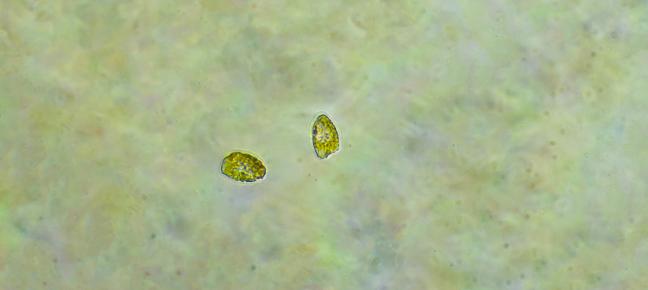
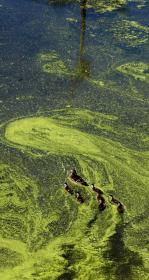
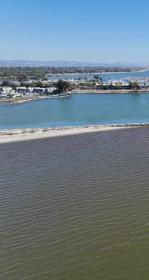
Since the launch of the NMS, researchers have monitored harmful algae in Bay waters, mussels, and fish. In 2022, an unprecedented algal bloom challenged the notion that the Bay is resilient to high nutrient levels and harmful algae blooms. The bloom caused oxygen depletion and fish fatalities, notably among sturgeon, and highlights the ongoing importance of research and management efforts to address nutrient dynamics and harmful algal blooms to safeguard the Bay's ecosystem.
Read More

Nutrient Management Strategy Governance
The NMS is a collaborative effort involving the Regional Water Quality Control Board and other partners to understand the complexity and time required to develop scientific support for consequential management decisions. Its governance structure includes a Steering Committee, technical advisors, and workgroups tackling key water quality issues, with SFEI leading the NMS’ implementation and coordination. All NMS meetings are open to the public.
Read More
Priority Topics
Nutrient Sources and Cycling
The Bay faces ongoing challenges due to high nutrient loads, predominantly from municipal wastewater sources. A team of dedicated scientists operates a comprehensive network of…

Phytoplankton blooms and low dissolved oxygen
Nutrient dynamics in the Bay are influenced by high suspended sediment and strong tides, which normally limit phytoplankton growth and prevent low oxygen levels. However, excess…
Nature-based Solutions for Nutrient Management
Initial models indicate significant nitrogen transfer from the Bay to the Pacific Ocean. However, the ecological impacts on coastal areas are still not fully understood. A…
Latest News

Tue, Apr 22 2025
Want to work at SFEI as a Watershed Stewards Corps member?

Fri, Aug 26 2022
Harmful Algal Bloom identified in the San Francisco Bay
Wed, Jun 5 2019
Will a cleaner San Francisco Bay be a more toxic one?
Nutrient Management Strategy Events
Fri, Nov 14 2025, 9am - 2pm
Nutrient Management Strategy Steering Committee Meeting
Thu, Oct 12 2023, 9am - 4pm
2023 RMP Annual Meeting
Wed, Aug 9 2023, 2:15pm
2022 RMP Annual Meeting
Thu, Oct 14 2021, 9am - 4pm
2021 RMP Annual Meeting
Fri, Oct 7 2016, 12am
RMP Annual Meeting 2016
Thu, Jun 23 2016, 10:30 - 11:30am
Invited Talk: Metabolomics
Recent Publications
Long-term Forcings: Generating and searching for trends in a whole-bay remote sensed turbidity record from 2002-present
This project represents the first effort to use satellite data to create a long-term, multi-satellite San Francisco Bay-specific turbidity dataset. Having accurate turbidity data will ultimately improve estimates of long…
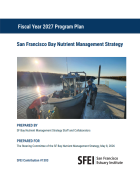
Nutrient Management Strategy Fiscal Year 2027 Program Plan
This Program Plan summarizes the planned work for the San Francisco Bay Nutrient Management Strategy (NMS) Program during Fiscal Year 2027 (July 1, 2026 through June 30, 2027). The planned work includes a suite of projects…
ASSOCIATED STAFF