Exposing Microplastics to Scientific Study
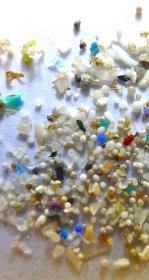
The detritus of our everyday use of plastic materials, microplastics are tiny plastic fragments smaller than a grain of rice. Animals may inhale these tiny particles or mistake them for food. Exposure can harm wildlife and humans.
Our groundbreaking findings in this rapidly evolving field have made front page news and continue to help focus critical science and policy discussions. SFEI‘s 2019 study of microplastics in San Francisco Bay is widely regarded as the most comprehensive regional study of microplastics in the world.
SFEI’s studies have revealed urban stormwater runoff as the major pathway for microplastics into the waters of California—not municipal wastewater, as many had previously assumed. Our investigations continue to challenge assumptions and provide the data to develop practical solutions.
Macroplastics Trash Monitoring
Macroplastics (bigger pieces of plastic) break down to microplastics. Trash monitoring is key to improving decision making and guiding interventions so macroplastics in our creeks, rivers, and streets are removed before they become microplastics. To assess current conditions and track progress towards management goals, SFEI has partnered with the Ocean Protection Council, the State Water Board, and other experts to promote standard methods for macroplastics trash monitoring.


Informing Policy
SFEI’s unbiased, scientifically rigorous data collection and interpretation has provided California lawmakers with the science to develop and support important environmental policy. These include the 2015 state ban on plastic microbeads in personal care products, which led to a federal ban, as well as a first-of-its-kind state microplastics strategy to tackle this pollution, which was presented to the state legislature in 2021. California now leads the world in its proactive efforts to address microplastics.
Filling Critical Data Gaps

Effective Solutions
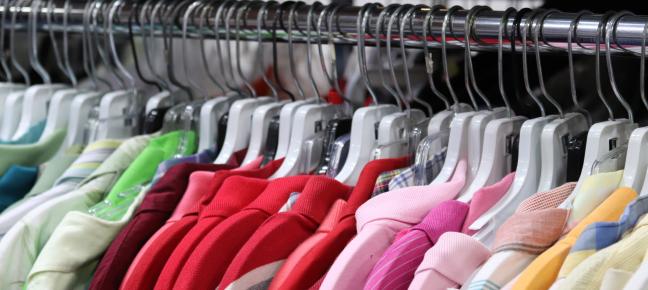
SFEI studies directly inform potential solutions to reduce microplastic pollution. We measure the benefits of green stormwater infrastructure, like bioretention rain gardens, to reduce microplastics and other contaminants in urban stormwater runoff. We also investigate how trash capture devices might reduce microplastics in urban runoff. Through our in-progress dryers study, we are examining whether improved clothes dryer lint filters could reduce emissions of microfibers.

Microplastics Monitoring Strategies
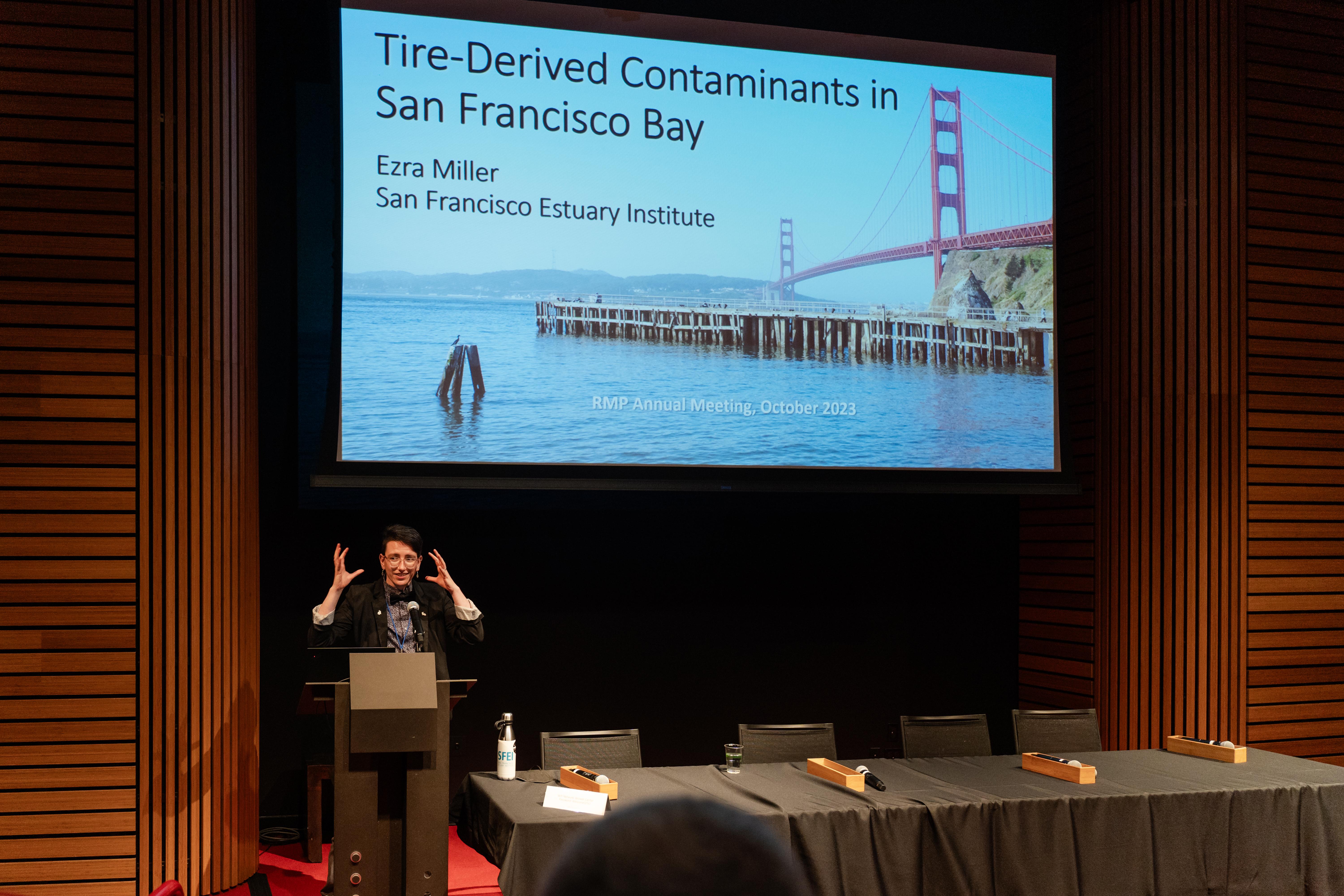
SFEI is leading microplastics strategy development in the Bay Area and statewide by facilitating thoughtful discussions with regional and state decision makers and agencies, synthesizing the best science available, and providing clear recommendations for essential near-term and long-term studies. These efforts will provide the foundation for gathering more data to protect aquatic ecosystems.
Featured Projects

Latest News

Mon, Jun 30 2025
SFEI Scientist Interviewed on Microplastics for Maven's Notebook

Tue, May 6 2025
"Unique as Snowflakes": Understanding Tire Particles

Sun, Oct 15 2023
Vehicle Tires Threaten Water Quality

Wed, Nov 3 2021
A Synthesis of Microplastic Sources and Pathways to Urban Runoff
Tue, Nov 10 2020
Big problem, small size: Improving methods in microplastics research

Recent Publications
Statewide Plastics Monitoring Strategy and Planning Framework
Plastic pollution is a pervasive threat to California’s aquatic environments, with impacts spanning ecological health, human well-being, and the integrity of natural resources. From visible macroplastics (trash) littering…
Load and concentration based performance outcomes for emerging organic contaminants in bioretention stormwater treatment systems
The performance capabilities of bioretention systems for a range of stormwater constituents remain lightly characterized, particularly for emerging organic contaminants. To address this gap, we evaluated concentration- and…
ASSOCIATED STAFF