A Shifting Dynamic
Many algae species have healthy populations in San Francisco Bay. However, with the right combination of environmental conditions and nutrients, algae populations can explode. Harmful algal blooms (HABs) arise when billions of algae per gallon cloud waterways, smothering local ecosystems and sometimes making toxins that can hurt people and animals.
San Francisco Bay had strong resilience against HABs in the 20th century. Mining and other industries since the Gold Rush brought more sediment into the Bay, which blocked sunlight and limited algae growth. Natural defenses like strong tidal mixing and filter-feeding clams also helped keep HABs at bay.
But recently, HABs have surged as a significant water quality concern within the Bay and the Sacramento-San Joaquin River Delta. Studies frequently found multiple harmful algal species and toxins in the Bay, signaling a growing threat. Since 1999, the Delta has also seen an uptick in cyanobacterial blooms' frequency and severity. This shifting dynamic prompts the San Francisco Bay Nutrient Management Strategy (NMS) to urgently evaluate the Bay's diminishing resilience to HABs. These changes highlight the need for proactive management and strategies to safeguard water quality and ecosystem health.
The Bay’s Vulnerability
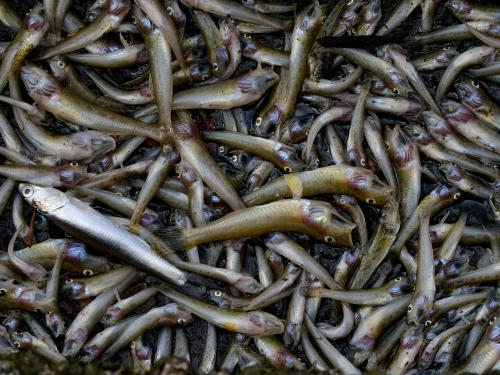
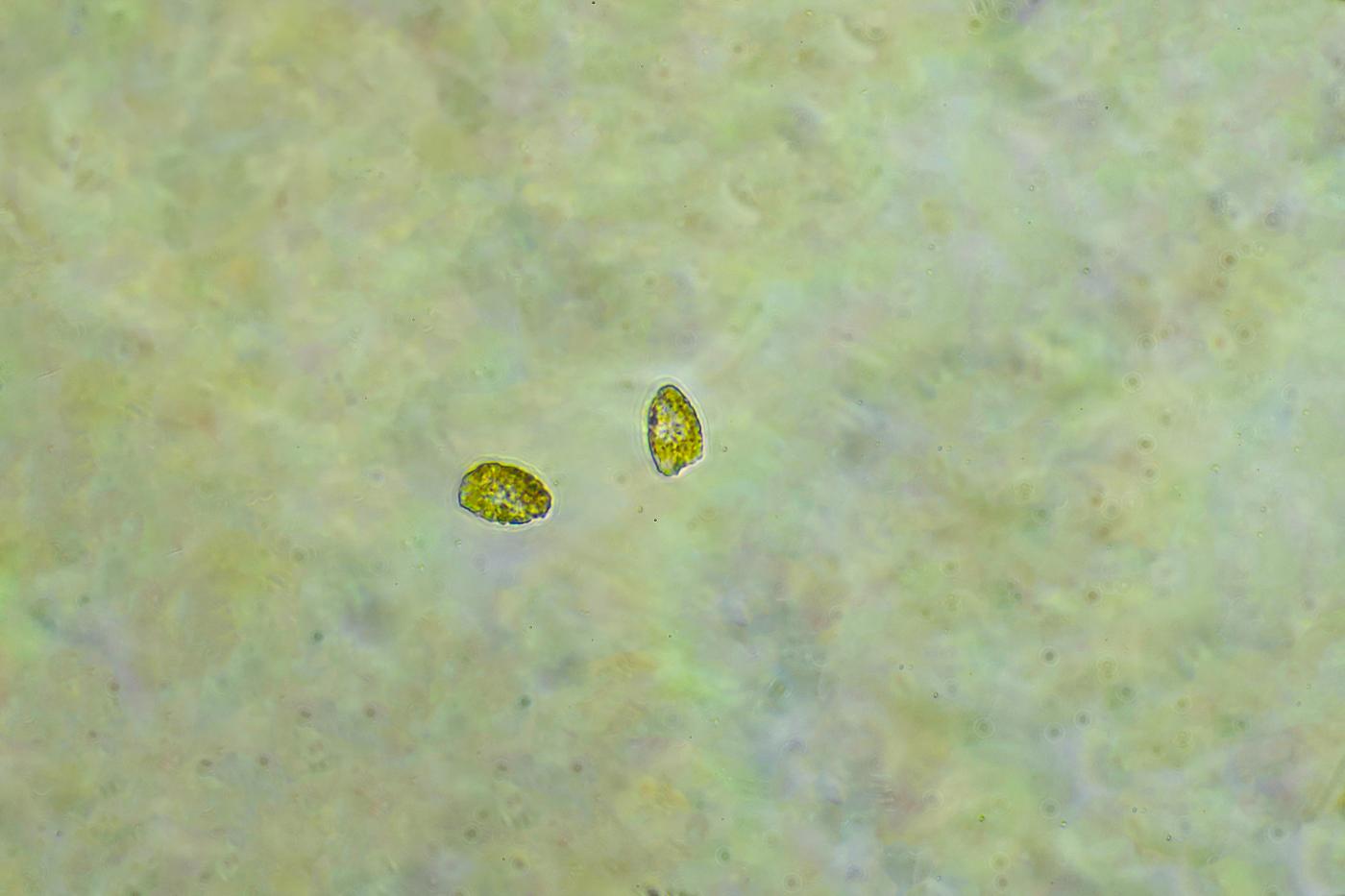
Old assumptions about the Bay’s resilience to nutrient overloading changed dramatically in the summer of 2022, when an extraordinary harmful algal bloom of Heterosigma akashiwo swept through a large portion of San Francisco Bay. This massive bloom of single-cell algae swiftly used a substantial portion of the Bay's nutrients, triggering an intense demand for oxygen in the water. Dissolved oxygen in the Bay plummeted, falling below 5 mg/l (nearly 50% from normal levels) for an entire week and dipping below 2 mg/l for several days. The consequences were dire, with untold numbers of fish succumbing to lethal oxygen levels and potentially a toxin. There were severe casualties among white and green sturgeon.
The 2022 bloom serves as a stark reminder of the Bay's vulnerability to unpredictable events. It emphasizes the critical importance of ongoing research and management strategies in understanding and easing the impacts of nutrients on water quality and harmful algal blooms.
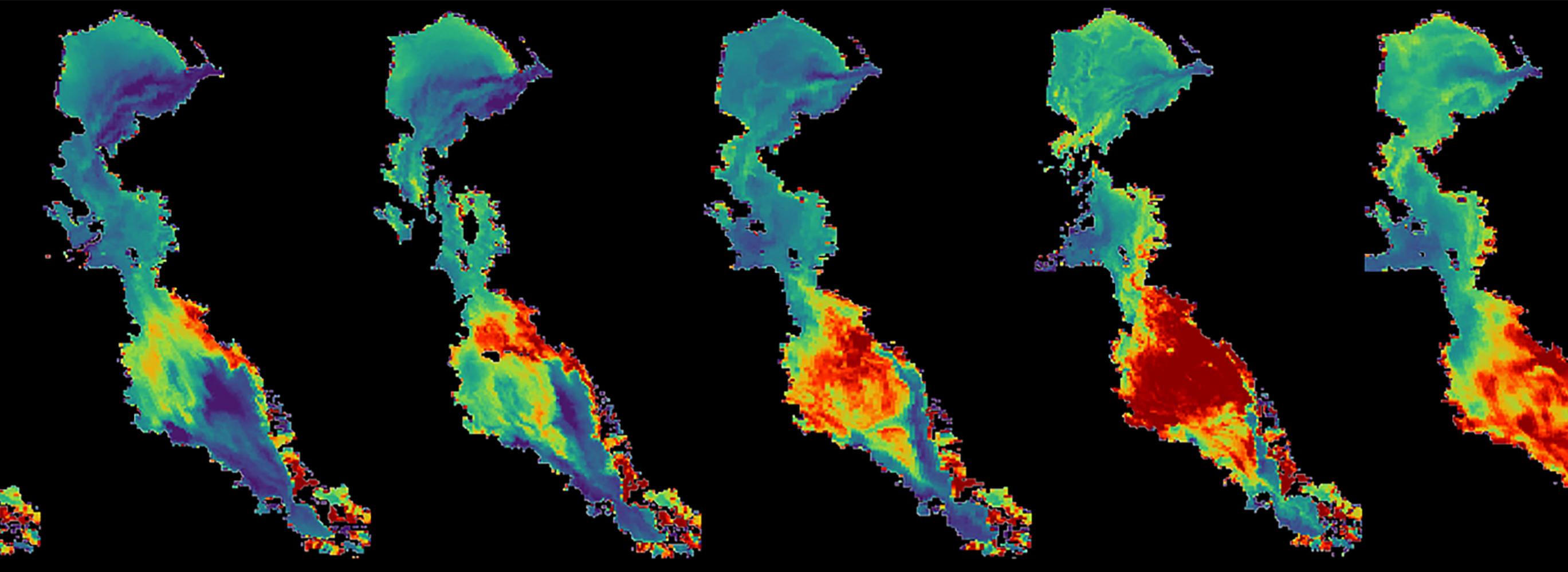
Growth and Decay of the 2022 Bloom
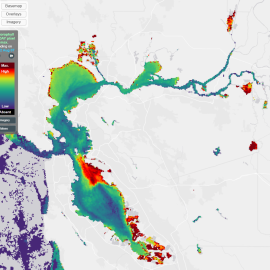
The 2022 HAB lasted from July to September and caused significant ecological damage to the Bay. Oxygen depletion and mass fish deaths continued during and after the bloom. This event prompted intense investigation into the bloom dynamics, particularly the role of nitrogen levels. Data from NMS moored sensors and additional water quality sampling helped researchers quantify the bloom's growth, size, and nitrogen use to understand the bloom formation and collapse.
Research to date suggests that the continuous nitrogen source from nutrient dischargers added to the bloom's severity. Preliminary results also indicate a secondary organism may have prompted the bloom’s collapse. Our ongoing studies will inform management to prevent harmful algae blooms.
Detecting Harmful Species
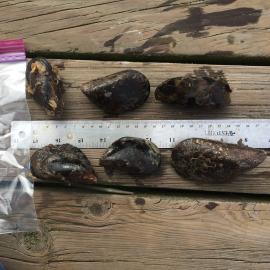
Researchers used to rely on examining HAB species under microscopes. To enhance HAB monitoring in the Bay, the NMS has adopted quantitative real-time Polymerase Chain Reaction (qPCR) and metabarcoding techniques in collaboration with Bend Genetics. These methods quantify types of harmful algae and provide continuous, reproducible data series. Toxin surveillance through mussel sampling also identifies the presence of toxins like saxitoxin and microcystin, helping scientists align toxin levels with algae densities. This approach offers a long-term, evolving dataset crucial for understanding HABs and guiding management strategies.
SFEI has established interactive websites to present HAB and phytoplankton data from water samples and real-time data collection during bimonthly cruises aboard the USGS Peterson.