An element of the Nutrient Management Strategy (NMS) involves the evaluation of nature-based solutions to reduce nutrient loading from the region’s thirty-seven wastewater treatment plants. Nature-based solutions encompass a range of engineered strategies that leverage natural processes to enhance resiliency and sustainability in the built environment.
At the San Francisco Bay shoreline, natural systems hold particular appeal because of their potential to achieve multiple benefits. Wastewater agencies, city and regional planners, and environmental advocates in the Bay Area favor a collection of nature-based strategies to improve the water quality of wastewater effluent while also protecting infrastructure from flooding, providing wetland habitat, engaging communities, and improving recreational opportunities for Bay Area residents.


Emerging water quality impacts from high nutrient levels in the Bay have prompted the consideration of costly wastewater system upgrades. Where possible, managers and regulators have expressed a preference for multi-benefit approaches to reducing nutrient loads from wastewater treatment plants, including nature-based solutions like constructed wetlands and horizontal levees.
Horizontal levees are slopes intended to be irrigated with treated wastewater to create habitats which mimic the natural seepages and wet meadow habitat that was historically common along the Bay. Such strategies offer promise, especially in less developed areas of the Bay shoreline, for improving water quality and wildlife habitat, while addressing flood risk and providing educational or recreational opportunities.
In 2019, the Regional Water Quality Control Board released the second Nutrient Watershed Permit, mandating that local wastewater agencies investigate nature-based solutions (NbS) for nutrient reduction, in addition to traditional treatment methods. Working with the Bay Area Clean Water Agencies (BACWA), SFEI identified opportunities for these agencies to lessen nutrient discharges into the Bay through nature-based solutions.
Initially, a GIS suitability model pinpointed potential NbS locations across 37 treatment plants. Subsequently, collaborations with eight facilities led to the development of preliminary NbS concepts. Despite challenges related to limited land and ecological concerns, several agencies are advancing NbS concepts for potential implementation as part of their nutrient management strategies.

Latest News
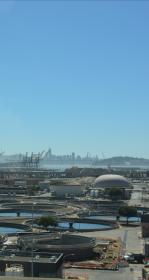
Tue, Nov 19 2024
Nature-based solutions for wastewater treatment
Recent Publications
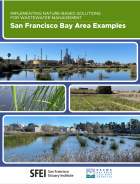
Implementing Nature-based Solutions for Wastewater Management: San Francisco Bay Area Examples
Prepared by the San Francisco Estuary Institute for the Bay Area Clean Water Agencies.
Prepared in partnership with City of Hayward, City of Petaluma, East Bay Dischargers Authority, East Bay Regional Park…
ASSOCIATED STAFF