Urban Runoff Degrades Bay Water Quality
The RMP Sources, Pathways, and Loading Workgroup (SPLWG) was formed in 1999 to make recommendations for collection, interpretation, and synthesis of data on sources and amounts of contaminants entering San Francisco Bay. This information supports efforts to identify and eliminate pollution in the landscape, and prevent it from harming San Francisco Bay.
The First Two Decades
During the first decade, the workgroup used a field-intensive monitoring program to estimate loads of PCBs, mercury, and other legacy contaminants entering the Bay. We monitored multiple pathways including the Sacramento and San Joaquin Rivers, urban and nonurban stormwater from the nine Bay Area counties, municipal and industrial wastewater, and atmospheric deposition.
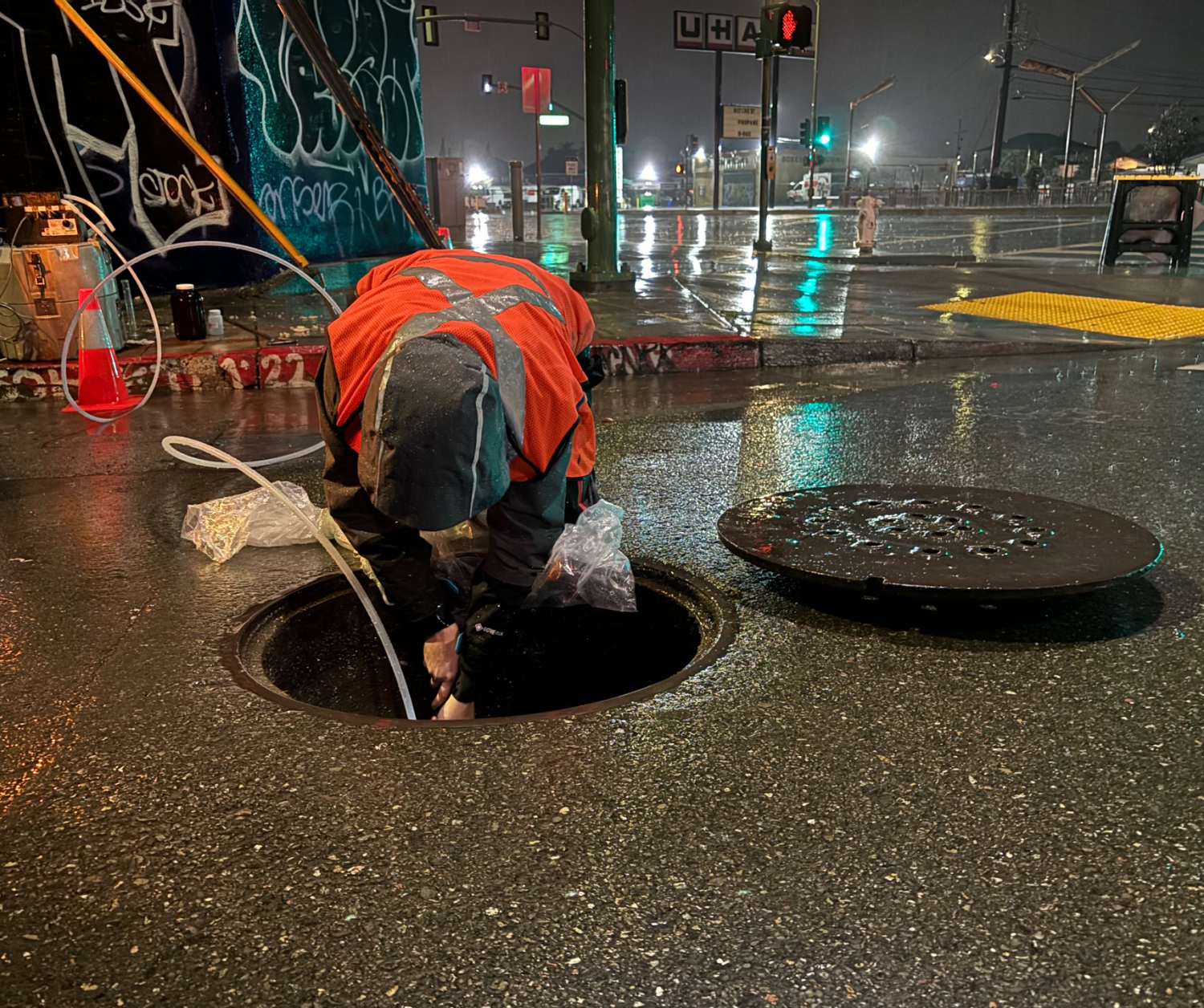
With PCB and mercury cleanup plans in place, the second decade focused on improving our understanding of PCBs and mercury fate and transport, monitoring municipal stormwater, and building modeling tools to estimate regional loads and trends over time. We also worked to identify the locations in the watershed that contribute most to impairing Bay water quality.
Spotlight on Recent Work

Bay-wide Watershed Dynamic Model
The Watershed Dynamic Model, a hydrologic model for the Bay Area, can predict flow and sediment for 1994-2024. The model simulates the nine Bay Area counties, with mixed land use types, a wide range of pollutants, upland erosion and sediment transport, and in-stream processes (e.g., bank erosion, settling, and resuspension). The completed model performs well. It can reproduce the timing and peaks of runoff events as well as the annual and year-to-year variation of flow and sediment loads.
Stormwater Monitoring for PCBs and Mercury
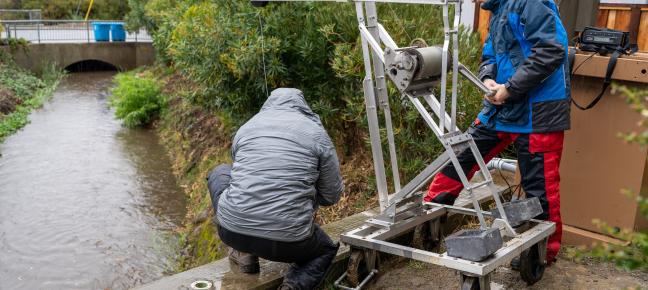
Since 2011, the RMP has collaborated with county stormwater programs to fund watershed reconnaissance of PCBs and mercury and identify especially polluted watersheds within larger areas of older urban and industrial land use. Recently, more intensive data collection has focused on three watersheds in the region to help calibrate the Watershed Dynamic Model. These monitoring efforts will soon include a new remote sampler in tidal areas downstream from suspected PCB sources.
Science Advisors
The scientific advisory panel for the Bay RMP Sources, Pathways, and Loadings Workgroup consists of internationally renowned experts:

SFEI Lead Scientists
For more information, please contact Alicia Gilbreath at [email protected] or Matthew Heberger at [email protected].
Featured RMP Projects

Latest News
Tue, Mar 25 2025
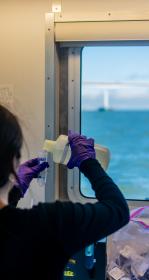
Sampling the Storm: Tracking PCBs in Bay Area Waterways
Fri, Mar 8 2024
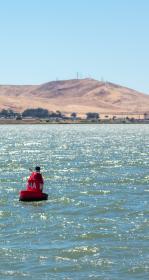
Storms drive emerging contaminants into the Bay
Sun, Oct 15 2023
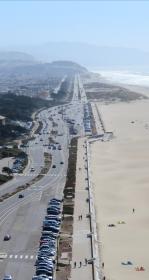
Vehicle Tires Threaten Water Quality

Tue, Jan 19 2021
Dr. Kelly Moran Joins SFEI Staff
Fri, Dec 4 2020
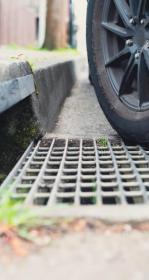
Toxic Tire Contaminant Found in Bay Area Stormwater

Sources, Pathways, & Loadings Workgroup Meetings
Thu, May 14 2026, 9am - Fri, May 15 2026, 4pm
Bay RMP Sources, Pathways, and Loadings Workgroup Meeting (9am - 3pm)
Mon, Apr 28 2025, 9am - 4pm
Bay RMP Sources, Pathways, and Loadings Workgroup Meeting
Fri, Mar 7 2025, 9am - 2pm
Bay RMP Sources, Pathways, and Loadings Workgroup Meeting
Mon, May 20 2024, 9am - 3pm
Sources, Pathways, and Loadings Workgroup (Day 2)
Wed, Apr 17 2024, 10am - 12pm
Sources, Pathways, and Loadings Workgroup (Day 1; Joint Meeting with ECWG)
Tue, May 23 2023, 9am - 3pm
Sources, Pathways, and Loading Workgroup Meeting Day 2
Recent Publications
Regional Watershed Spreadsheet Model (RWSM): 2024
The San Francisco Bay Regional Watershed Spreadsheet Model (RWSM) was developed within the Regional Monitoring Program for Water Quality in San Francisco Bay (RMP) to estimate average annual regional and sub-regional scale…
Integrated Watershed Modeling and Monitoring Framework to Support the Regional Monitoring Program
The Regional Monitoring Program (RMP) is transitioning from a watershed program predominantly using monitoring data and data-driven load estimation methods to support management decisions on polychlorinated biphenyls (PCBs…
ASSOCIATED STAFF