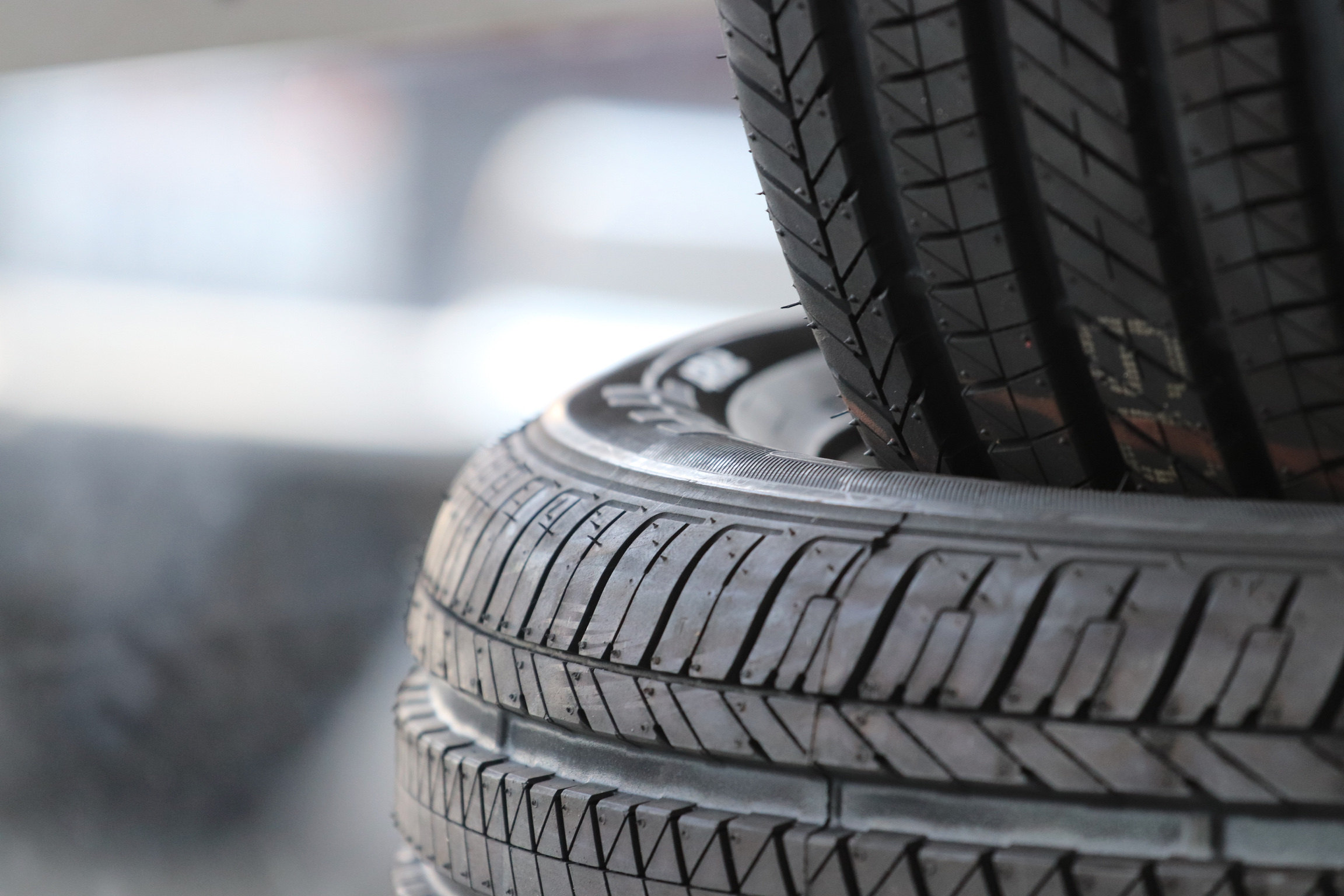
It's not just slow drivers that get left in the dust on the freeway. It's tiny pieces of car tires, which are microplastics with a unique and toxic blend of ingredients.
These tire particles may be the world’s largest source of microplastics in the environment (synthetic rubber is a plastic), and Bay Area commuters leave billions of them behind on the road every day. But tire particles can be tough to study because their unique material mixture often includes carbon black, a mineral that gives tires their color and renders the particles nearly invisible to typical research tools. Asphalt crumbs, natural minerals, and other microplastics in road dust also stick to the tire particles and add to their complexity. New research from SFEI associate environmental scientist Kayli Paterson will help scientists separate and identify tire particles in the wild to better understand how they move through the environment.

Paterson’s team ran tire particles from roadsides and the nearby environments through a gamut of lab tests. They used the tire particles’ density to separate them from soils and tested chemicals to find ones that dissolve the detritus but leave the microrubber intact. The scientists identified the particles with a combination of heat and texture—and by poking at them—and made sure the chemical cocktails in their samples matched known tire chemicals.
Other early research on tire particles prepared in labs suggested that scientists could spot tire particles by looking for distinctive cigar-shaped microplastics. But studying virgin tires shredded up in a lab doesn’t match the real world, where the particles are ground into roadways and exposed to the sun. Paterson found that up close, “each [tire particle] is a snowflake—no two are the same.”
“They come in all varieties of shapes and sizes. If you're only looking for those traditional cigar-shaped tire particles, you're going to miss a significant amount,” she adds.
Although researchers still have a lot to learn about tire wear particles, they do know that the rubbery snowflakes don’t just stay on roadways. Wind and stormwater carry these microscopic particles to soils, stormwater drains, and eventually the Bay and ocean. Because California disposes of more tires each year than the number of people in the state, accurately identifying and counting the particles wherever they’re found will be crucial to understand the impact of leaving so much rubber on the road, and to find solutions.


Vehicle Tires Threaten Water Quality
Update: On October 1, 2023: California Department of Toxic Substance Control (DTSC) 6PPD regulations became effective, making it the first government in the world to regulate the chemical content of vehicle tires to protect salmon. DTSC is requiring tire manufacturers to identify alternatives to the tire preservative that is the source of the chemical toxic to coho salmon.
Toxic Tire Contaminant Found in Bay Area Stormwater
Scientists at the San Francisco Estuary Institute (SFEI) have found a highly toxic tire-related contaminant at levels lethal to coho salmon in stormwater flowing through four sites in the Bay Area. The contaminant, derived from a tire preservative, has been discovered by Washington state researchers to be responsible for high levels of coho salmon deaths in Puget Sound streams. These findings will inform a petition by state stormwater leaders to the Department of Toxic Substances Control to address pollution of California streams caused by tires.
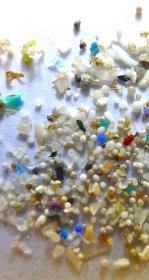
Big problem, small size: Improving methods in microplastics research
When it comes to plastic pollution, that candy wrapper half buried in the dirt is only the tip of the iceberg. Plastic bags, cigarette butts, and bottle caps are not just an eyesore, but over time they break down in the environment, creating small pieces of debris known as microplastics.