Tiny Fibers Contaminate the Environment
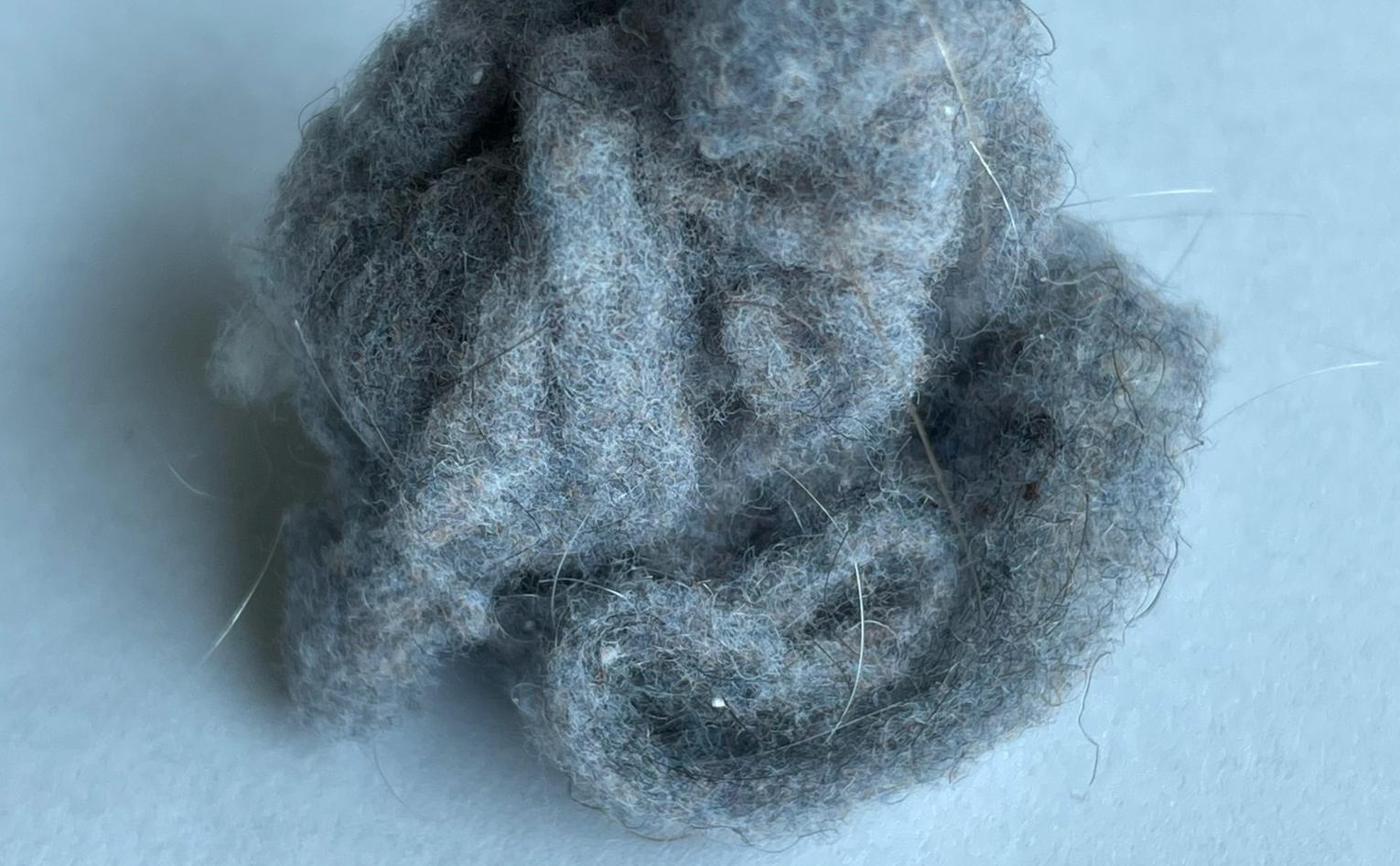
Synthetic textiles are used in clothing and many other everyday products. These textiles can release plastic microfibers during washing, drying, and daily use. Microfibers are not only the most ubiquitous form of microplastics in the environment, but also the most commonly inhaled and ingested by both humans and wildlife.
The shape, size, and chemical makeup of these tiny plastic fibers suggest significant toxicity concerns. Microfibers can be transported great distances in air or water because of their long, thin morphology. They carry with them numerous additives such as flame retardants, plasticizers, and dyes. Chemical additives in textiles can leach from microfibers into the environment and may pose risks to wildlife.

Surprising Finding:
More Microfibers in Stormwater than Wastewater
SFEI’s 2019 San Francisco Bay microplastics study found hundreds of times more microfibers in urban stormwater than wastewater. We estimate stormwater carries trillions of microfibers to the Bay each year.
Dryers as a Major Source of Microplastics
SFEI is investigating microfiber emissions from household dryers and comm laundromats. This unique dryers study will be the first to tackle an important question: Are clothes dryers a significant source of microplastic pollution?
Sources and Solutions for Microfiber Pollution
In 2021, SFEI published a report on microfibers in urban stormwater that identified a broad spectrum of prevention and treatment options to address this type of microplastics pollution. Our findings were incorporated into the Statewide Microplastics Strategy.

Latest News


Recent Publications

Research recommendations to better understand the potential health impacts of microplastics to humans and aquatic ecosystems
To assess the potential risk of microplastic exposure to humans and aquatic ecosystems, reliable toxicity data is needed. This includes a more complete foundational understanding of microplastic toxicity and better…
Risk-based management framework for microplastics in aquatic ecosystems
Microplastic particles (MPs) are ubiquitous across a wide range of aquatic habitats but determining an appropriate level of risk management is hindered by a poor understanding of environmental risk. Here, we introduce a…
A Synthesis of Microplastic Sources and Pathways to Urban Runoff
California Senate Bill 1263 (2018) tasks the Ocean Protection Council (OPC) with leading statewide efforts to address microplastic pollution, and requires the OPC to adopt and implement a Statewide Microplastics Strategy…
ASSOCIATED STAFF