Reducing PFAS Pollution
Contamination of water, fish, and wildlife with PFAS, short for per- and polyfluoroalkyl substances, is one of the most pressing pollution problems in our region. Exposure to trace amounts of PFAS can cause serious health problems, including cancer, infertility, developmental delays in children, hormone disruption, high cholesterol, and immune system problems such as decreased vaccine response. Despite these risks, this class of synthetic compounds remains in wide use in a broad variety of consumer and industrial products, leading to global contamination.
PFAS are known as “forever chemicals” because they do not degrade in the environment, and build up in the bodies of people and wildlife over time. We develop essential data to directly inform decision making to reduce PFAS pollution and protect both the Bay ecosystem and impacted fishing communities, including Tribes and underserved subsistence fishers burdened by intersecting environmental injustices.
Bay Fish and Wildlife Monitoring
Through the San Francisco Bay Regional Monitoring Program (RMP), we have monitored PFAS in Bay sport fish since 2009, and have found levels in many fish exceeding advisory thresholds set by other states for safe fish consumption to protect public health. PFAS pollution is an environmental justice issue, as local Tribes and disadvantaged communities that depend on fishing for sustenance and for traditional cultural practices face higher risks and greater harms. SFEI is working with state, regional, and local stakeholders, as well as Bay Area community groups, to effectively tackle the issue of PFAS in Bay fish to protect human and ecological health.
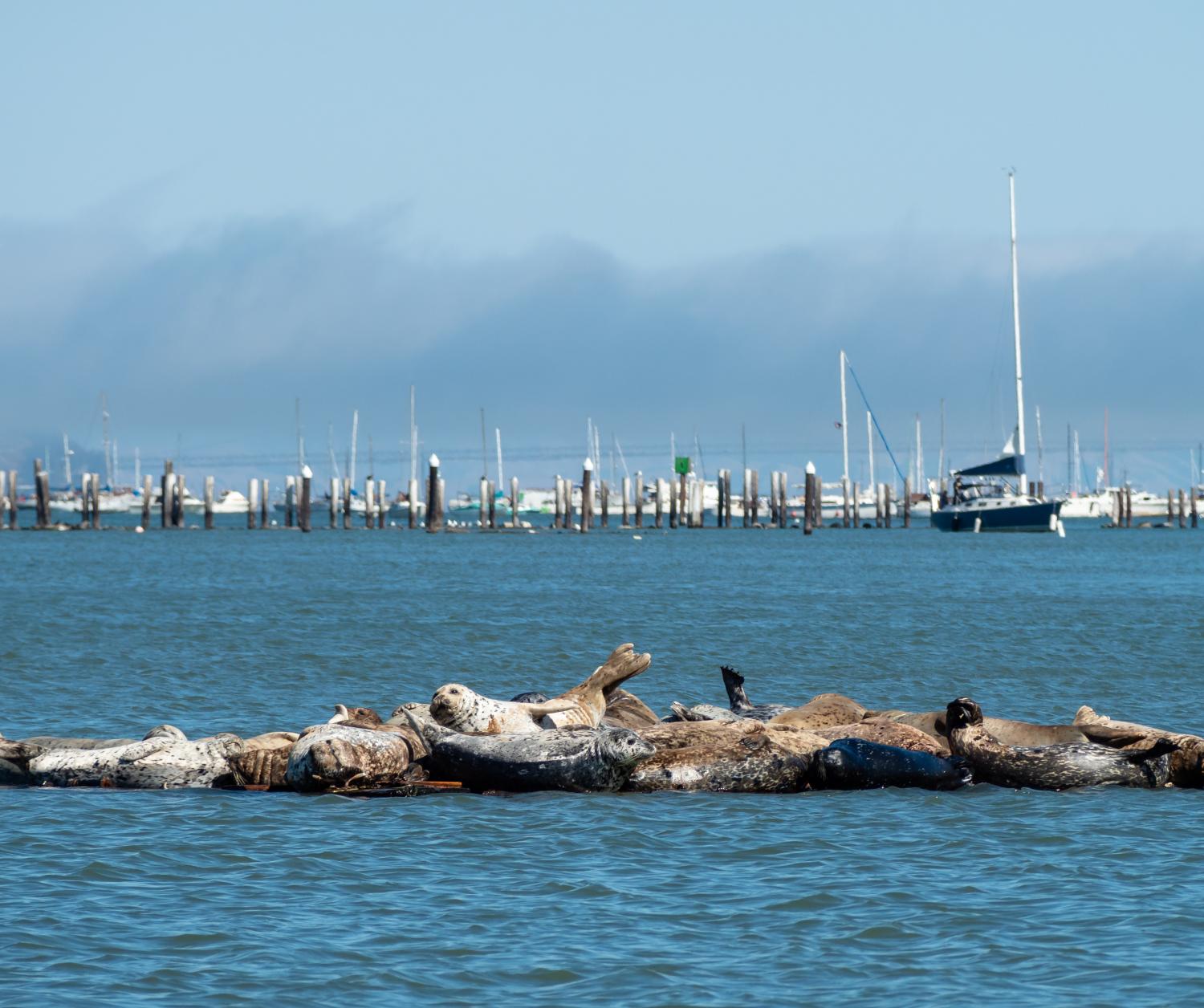
Periodic RMP monitoring of Bay harbor seals and cormorant eggs has also revealed concerning concentrations of PFAS, particularly in South Bay populations. Even low levels of PFAS pollution can harm reproduction and immune function in wildlife.
Looking Upstream: PFAS in Stormwater and Wastewater
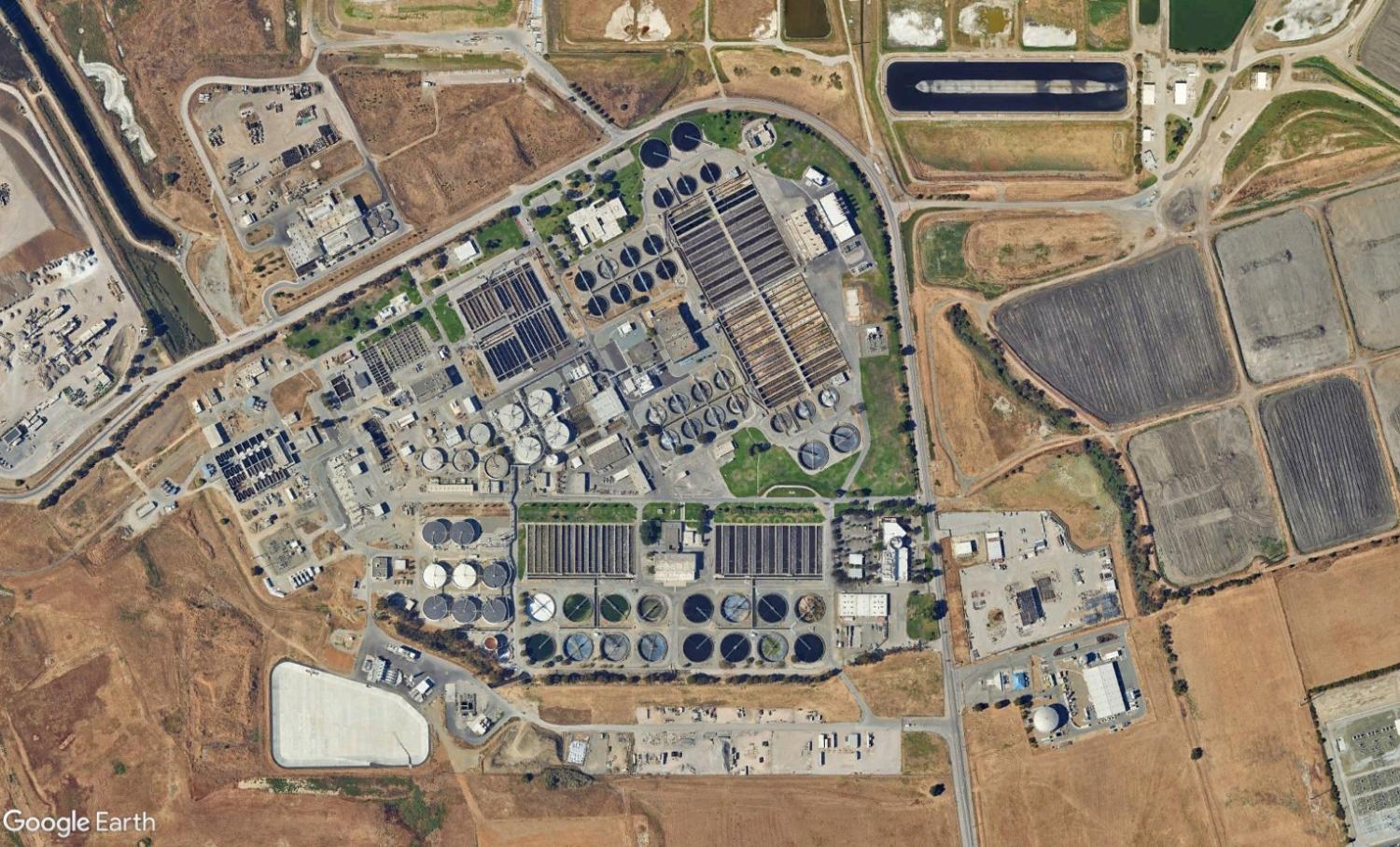
To reduce PFAS pollution, we need to track these contaminants back to their sources. The two most important pathways for PFAS to enter the Bay are stormwater and wastewater. Our studies of Bay Area urban stormwater and wastewater have detected a diverse array of known compounds, as well as a significant fraction of PFAS with unknown chemical composition that requires further study.
Our recent investigation in partnership with the Bay Area Clean Water Agencies went further upstream, detecting PFAS in untreated residential, commercial, and industrial wastewater streams before they entered wastewater facilities. The data highlight important sources of PFAS that merit pollution prevention efforts, providing actionable information for wastewater agencies and regulators.
Bay Water and Sediment Monitoring
The RMP has identified PFAS pollution in Bay surface water and sediment. In 2021, PFAS were in 90% of 22 places where water was sampled across the Bay, with levels in the South Bay notably higher than elsewhere. Continued studies of PFAS in water and sediment are ongoing as part of the RMP’s Status and Trends monitoring as well as other special studies. Future data can determine the effectiveness of recent state bans on PFAS in cosmetics, clothing, carpets, and many other consumer goods. These findings can also help build predictive models to assess risks to wildlife and people.

Latest News
Tue, Aug 5 2025
New Bay PFAS Data Show Reasons for Optimism and Concern


Tue, May 20 2025
"Forever Chemicals" Found In Fish Through Most of Bay

Tue, Nov 19 2024
Forever chemicals in household products contribute to Bay pollution

Mon, Nov 14 2022
PFAS in San Francisco Bay Water

Featured Projects



Recent Publications
Spatial Trends and Health Risks of Per- and Polyfluoroalkyl Substances in San Francisco Bay Fish from 2009 to 2019
Consumption of contaminated food, especially seafood, is a key source of human perfluoroalkyl and polyfluoroalkyl
substances (PFAS) exposure. Here, we examine the occurrence of PFAS in shiner surfperch (Cymatogaster…
ASSOCIATED STAFF