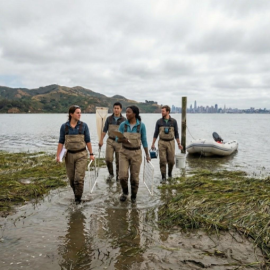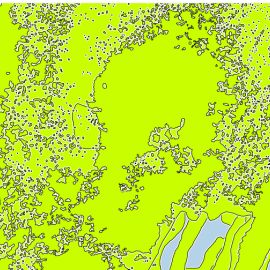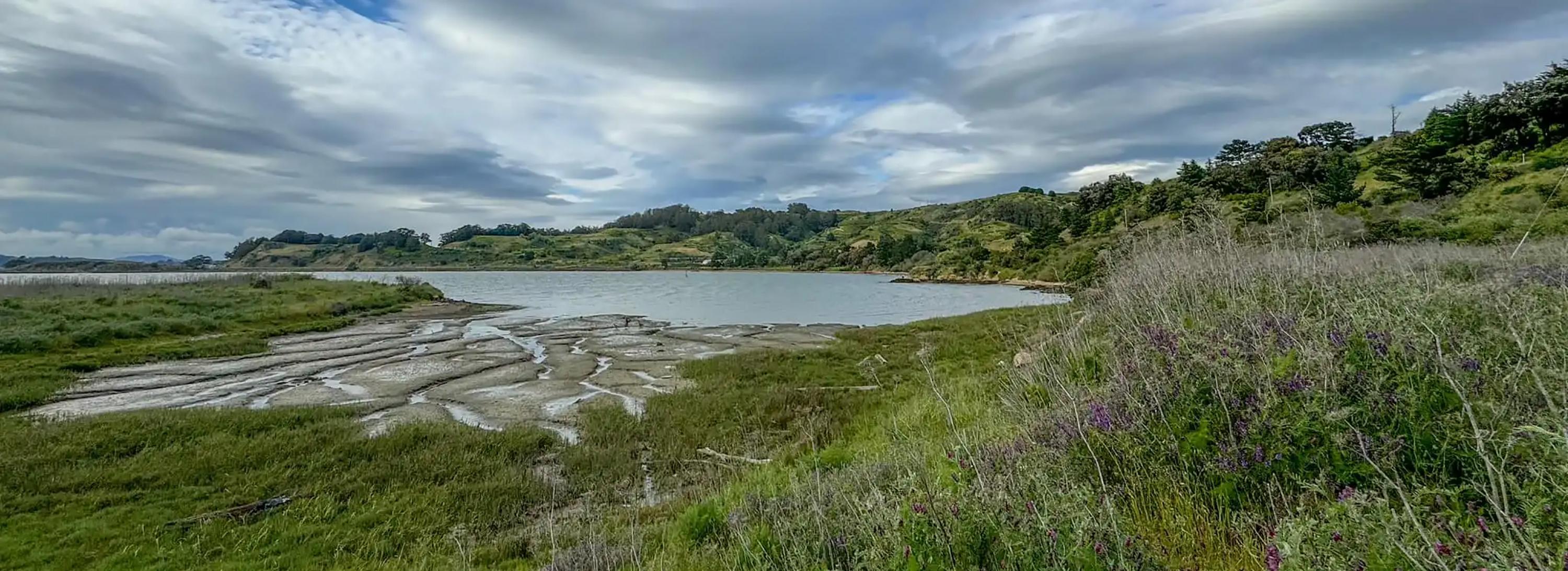
This eelgrass monitoring project will accomplish the following:
- Assemble a Technical Advisory Committee (TAC);
- Update eelgrass location data for the last 8 years on EcoAtlas and optimize data ingestion processes;
- Enhance and expand the application of the eelgrass habitat suitability model;
- Pilot eelgrass monitoring using a combination of techniques; and
- Develop standard operating procedures (SOPs) for the region.
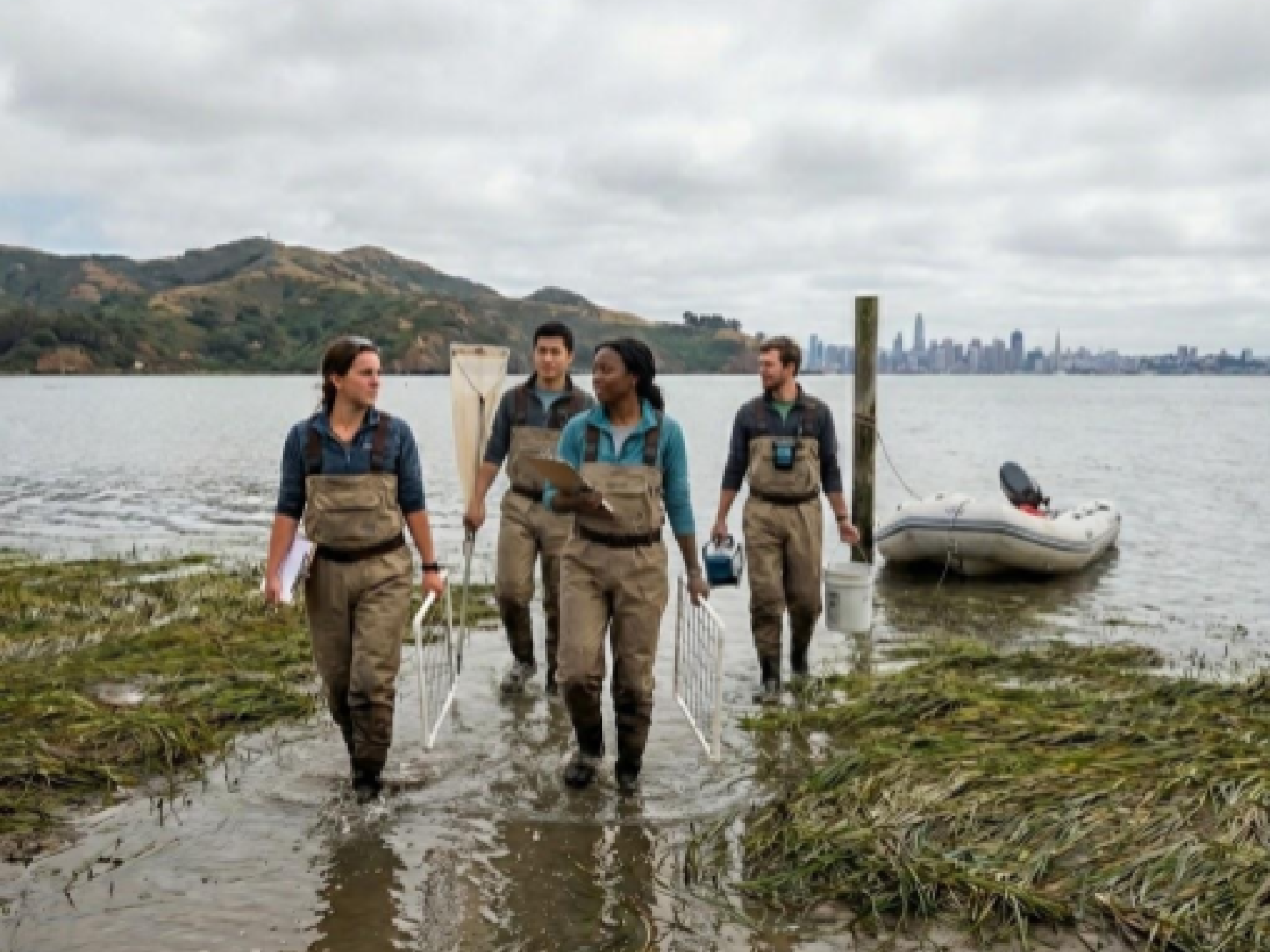
Eelgrass monitoring is well-established at individual sites, but the San Francisco Bay (Bay) still lacks a unified, system-wide program. Without this coordinated monitoring, data remain fragmented, limiting the ability to compare restoration outcomes, track habitat change, and identify emerging opportunities for new eelgrass recovery efforts.
In close coordination with the SF Estuary Wetlands Regional Monitoring Program (WRMP), eelgrass restoration practitioners, notable academics, and the region’s best eelgrass researchers, the team will lead a project to advance key features of eelgrass restoration:
- Assemble a Technical Advisory Committee (TAC) of local, regional, statewide, and nationally known experts to advise the project;
- Update eelgrass location data for the last 8 years on EcoAtlas and optimize data ingestion processes;
- Enhance and expand the application of the eelgrass habitat suitability model;
- Pilot eelgrass monitoring using the techniques described in the Ocean Protection Council’s (OPC) White Paper on Tracking Coastal Habitat Change Over Time: Considerations for a Statewide Mapping Program; and
- Develop standard operating procedures (SOPs) for the region.
To leverage existing monitoring efforts, this project will focus on Richardson Bay as the primary study area. Following input from the TAC, the scope may expand to include other high-priority locations, such as Emeryville, Berkeley, Point San Pablo, and Bay Farm Island in the East Bay.
This project aims to address information gaps closely associated with implementation projects by answering the following questions:
- What are the recent and current locations for eelgrass beds in the Bay Area, and can we optimize data collection and distribution?
- Can we better leverage new technologies in conjunction with established methods to monitor eelgrass beds more efficiently and cost-effectively?
- Can we more broadly apply available eelgrass habitat suitability models to identify restoration opportunities across the broader geography?
- Can we standardize eelgrass monitoring to facilitate regional habitat development comparisons and other key measurements?












New eelgrass survey data available on EcoAtlas
Eelgrass (Zostera marina and Z. pacifica) is recognized as an important ecological resource in nearshore open coast areas, shallow bays, and estuaries throughout coastal California.