Pervasive and Persistent Plastic Contamination
In 2015, the RMP conducted a San Francisco Bay screening study to quantify microplastics, commonly defined as plastic particles smaller than 5 millimeters, or shorter than a grain of rice. We found higher levels than any other urban water body measured at the time. Our findings galvanized policymakers and led the RMP to form the Microplastics Workgroup, composed of RMP stakeholders, SFEI scientists, state and federal agencies, nongovernmental organizations, expert advisors, and industry representatives. The Microplastics Workgroup meets annually to provide RMP stakeholders with the most relevant scientific updates, identify priority information needs, and implement special studies to address key data gaps.
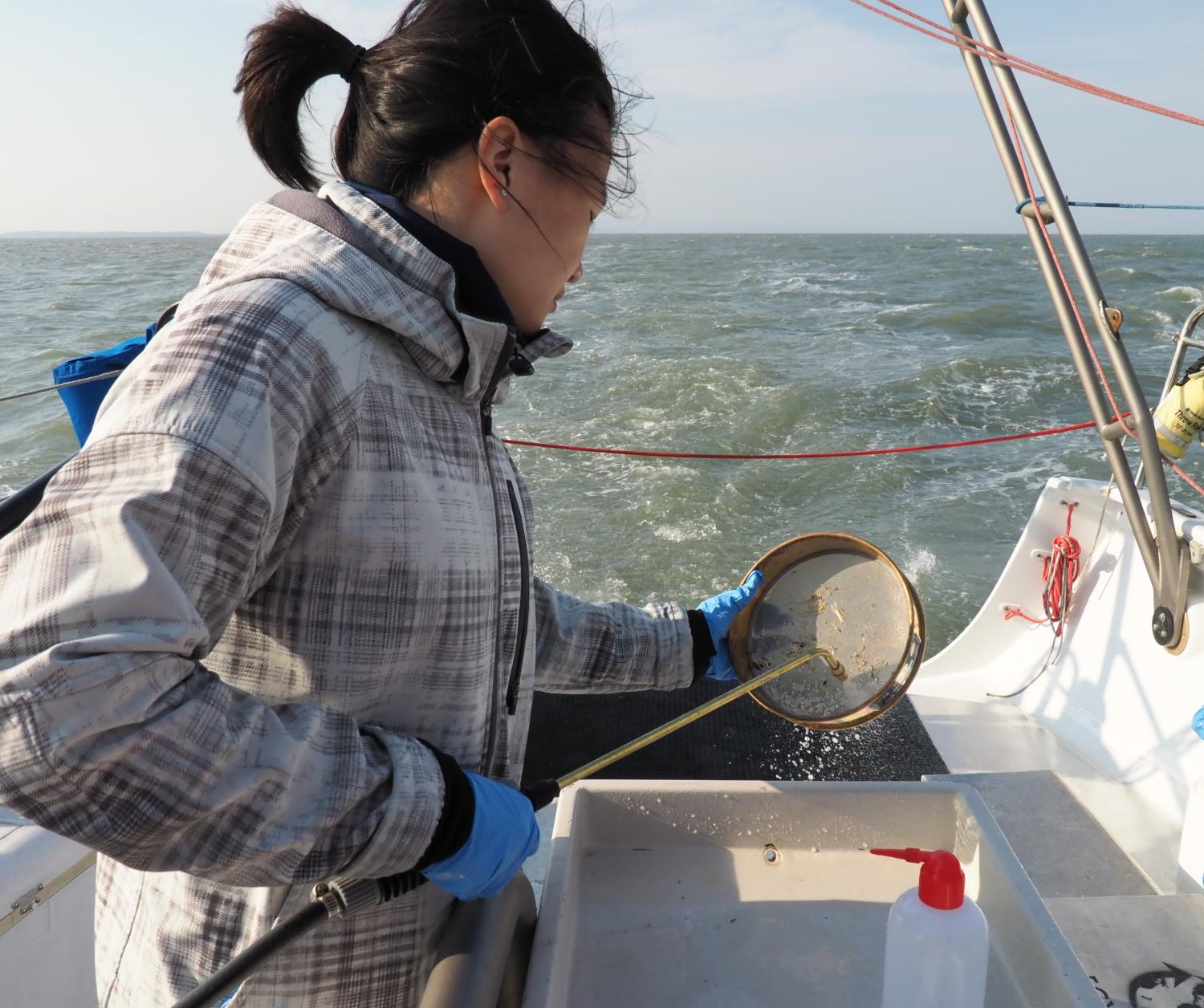
Identifying Sources to Prevent Pollution
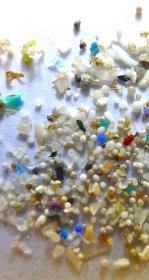
Microplastics come in a broad range of particle types, shapes, and sizes. This variety affects how microplastics move through the environment, and may influence their toxicity. Information on the chemistry and shape of particles can help pinpoint sources and options to reduce pollution.
The RMP prioritizes identifying major microplastics sources and contamination pathways, and recognizes that preventing microplastics from entering the environment is an optimal and cost-effective approach to protect water quality. The RMP has assisted in larger efforts to monitor microplastics in Bay water, sediment, prey fish, bivalves, and the adjacent ocean. This rich dataset underpins our understanding of microplastics in the Bay region, in other urban regions in California, and beyond.
Spotlight on Recent Work
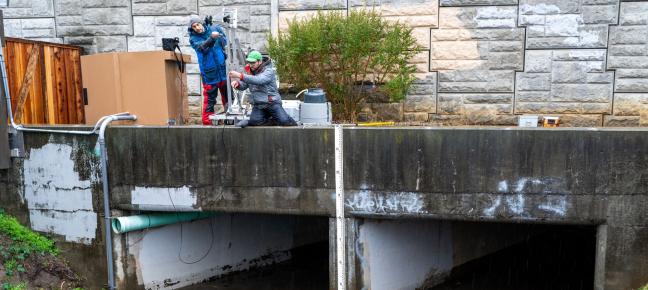
Understanding Urban Stormwater
Urban stormwater is an important way microplastics spread in the environment. The RMP developed conceptual models to understand microplastic sources and how they enter urban stormwater. We identified priorities for research and solutions, supported Bay and statewide microplastics monitoring strategies, and informed management efforts to effectively prevent microplastic pollution.

Tons of Tire Particles
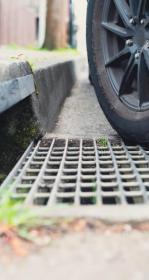
Tire wear particles may be the biggest source of microplastics to the Bay and to global urban water bodies. We estimate that cars and trucks driving on Bay Area roads generate approximately 15,000-18,000 metric tons of tire wear particles each year, or the weight of more than 40 fully loaded Boeing 747 airplanes.
Science Advisors
The scientific advisory panel for the Bay RMP Microplastics Workgroup consists of two internationally renowned experts:

SFEI Lead Scientist

For more information, please contact Diana Lin at [email protected].
Latest News
Mon, Jun 30 2025
SFEI Scientist Interviewed on Microplastics for Maven's Notebook
Tue, May 6 2025
"Unique as Snowflakes": Understanding Tire Particles

Sun, Oct 15 2023
Vehicle Tires Threaten Water Quality

Wed, Nov 3 2021
A Synthesis of Microplastic Sources and Pathways to Urban Runoff
Tue, Nov 10 2020
Big problem, small size: Improving methods in microplastics research

Microplastics & Other Plastics Contamination Meetings
Thu, Apr 30 2026, 9:30am - 4:30pm
Bay RMP Microplastics Workgroup Meeting
Wed, Feb 12 2025, 11am - 2pm
Bay RMP Microplastics Workgroup Meeting
Tue, Apr 30 2024, 9:30am - 2:30pm
Bay RMP Microplastics Workgroup Meeting
Mon, Apr 10 2023, 9am - 3pm
Microplastics Workgroup Meeting
Wed, Apr 20 2022, 11am - 2:30pm
Bay RMP Microplastics Workgroup Meeting
Wed, Apr 21 2021, 9am - 4pm
Bay RMP Microplastics Workgroup Meeting
Recent Publications
Statewide Plastics Monitoring Strategy and Planning Framework
Plastic pollution is a pervasive threat to California’s aquatic environments, with impacts spanning ecological health, human well-being, and the integrity of natural resources. From visible macroplastics (trash) littering…
Load and concentration based performance outcomes for emerging organic contaminants in bioretention stormwater treatment systems
The performance capabilities of bioretention systems for a range of stormwater constituents remain lightly characterized, particularly for emerging organic contaminants. To address this gap, we evaluated concentration- and…
ASSOCIATED STAFF