
Monitoring and Tracking Tools Have Improved Wetland Restoration in California.
Previously, California had no standardized way to assess, track, and manage its wetlands. Permitting decisions under Clean Water Act Section 401—required for any project that discharges material into wetlands or waters of the state—often relied on best professional judgment rather than consistent data. That changed when the State Water Board adopted its Wetland Definition and Dredge & Fill Procedures, and began encouraging the use of science-based tools developed by the California Wetlands Monitoring Workgroup (CWMW) and San Francisco Estuary Institute (SFEI).
At the core of this shift are three key tools: CRAM, EcoAtlas, and Project Tracker.
CRAM—the California Rapid Assessment Method—gives regulators and project proponents a consistent way to evaluate wetland condition. CRAM scores describe the ecological health of a site based on habitat structure, hydrology, and biological support. These scores support the state’s “no net loss” policy by enabling consistent before-and-after restoration comparisons.
EcoAtlas serves as a public, map-based platform to visualize these assessments and track progress. It integrates CRAM scores with other data—like habitat maps, endangered species occurrences, and land use history—providing a landscape-scale view. The Landscape Profile Tool within EcoAtlas lets applicants pull region-specific data required in 401/404 applications, including cumulative condition summaries (CDFs) and habitat development curves (HDCs). These visualizations help show how a project will improve watershed health over time, even beyond the five-year monitoring window.
Project Tracker connects it all. When a project applies for a 401 permit, some Regional Water Boards (e.g. North Coast, Lahontan, San Francisco Bay) now require applicants to register their impact and mitigation projects in Project Tracker. This ensures transparency and accountability—tracking goals, implementation milestones, and monitoring plans over time. It allows regulators to check if performance targets are met, and if not, to pinpoint which CRAM metrics are underperforming.
These tools are making the permitting process more transparent, standardized, and scientifically grounded. SFEI’s collaboration with the Water Board’s California Wetland Monitoring Workgroup in developing both the tools and the policies they now support—like the 2010 Tenets of a State Wetland and Riparian Monitoring Program —has laid a foundation for long-term wetland protection in California.
To learn more, please visit these resources:









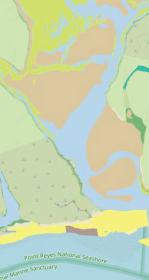
Project Tracker Tidal Wetland Restoration Map
EcoAtlas Project Tracker is a statewide online data entry tool used across the Bay region to track information on wetland restoration, mitigation, and habitat conservation projects. It provides standardized information on the activities involved in restoring habitats. Project Tracker is the most complete database of California wetland restoration projects and a valuable tool for planners and managers.

California Rapid Assessment Method for Wetlands (CRAM) Updates
CRAM Training sessions for 2020 have been posted on the CRAM website.