Using Story to Reveal Scientific Findings
Project: Above and Below: Stories From Our Changing Bay
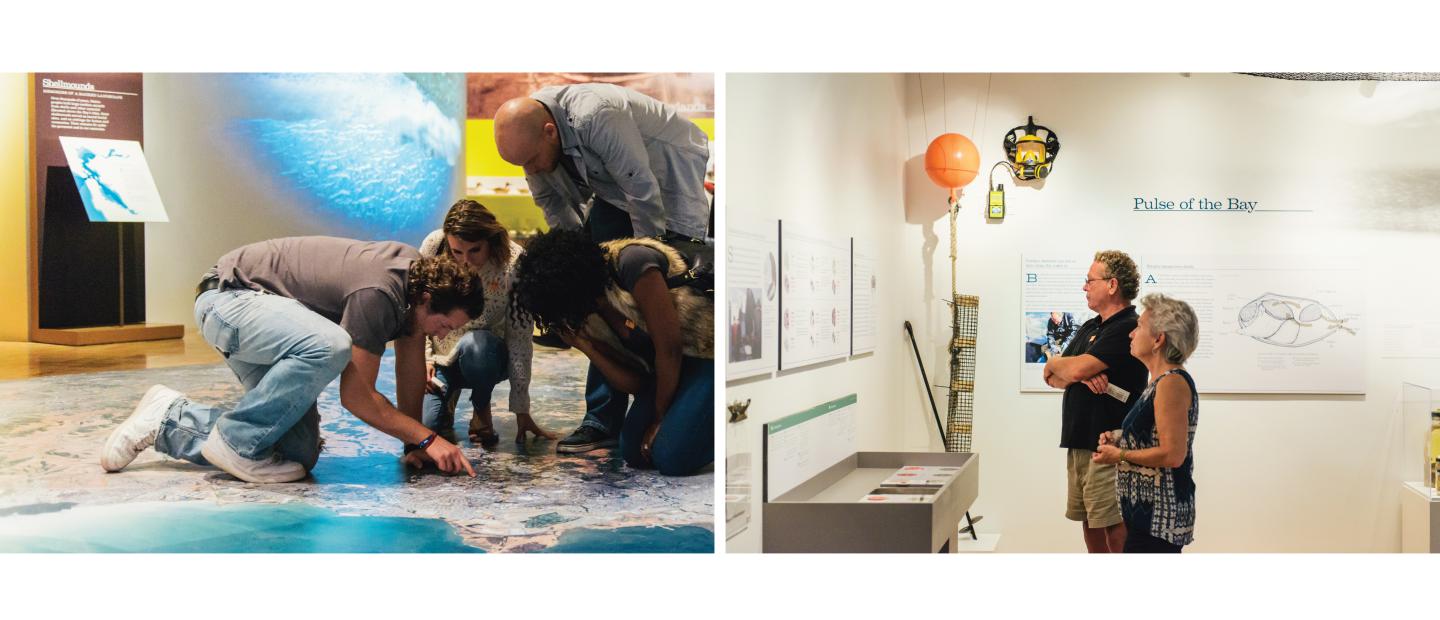
SFEI co-curated an exhibit with the Oakland Museum of California and other partners to unveil the stories of Bay Area landscapes. The exhibit highlighted historic and contemporary place-based stories about the Bay, and engaged viewers in discussions about the Bay’s future. Through extensive use of media featuring oral histories, community voices, and interactive displays, the exhibit explored how people and nature have shaped the San Francisco Bay Area, and how wetlands restoration and climate change are central topics in determining the future of the Bay.
Focus Area:
Using Story to Reveal Scientific Findings
Using Story to Reveal Scientific Findings
Project: Tijuana River Valley Historical Ecology Investigation
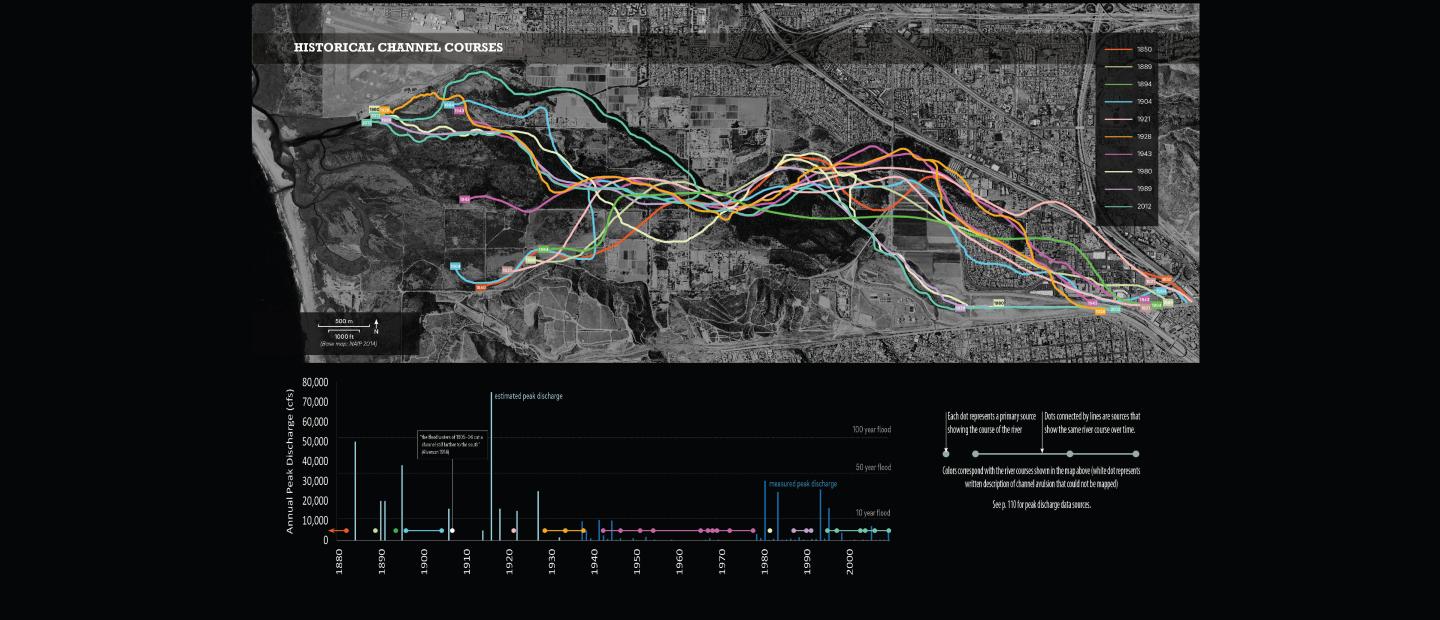
Within every landscape lies the story of its evolution. At SFEI, we often tell that story through maps, data, and historical photographs. Understanding how humans have changed the landscape creates the foundation to understanding how landscapes work today and how they will change in the future. This map depicts many of the major courses the Tijuana River has taken since 1848. Plotting the courses onto a chart of peak annual discharge helps illustrate the relationship between river movement and high flow events. This combination of maps and data can be used to explain the Tijuana River today.
Focus Area:
Using Story to Reveal Scientific Findings
Using Story to Reveal Scientific Findings
Project: The Pulse
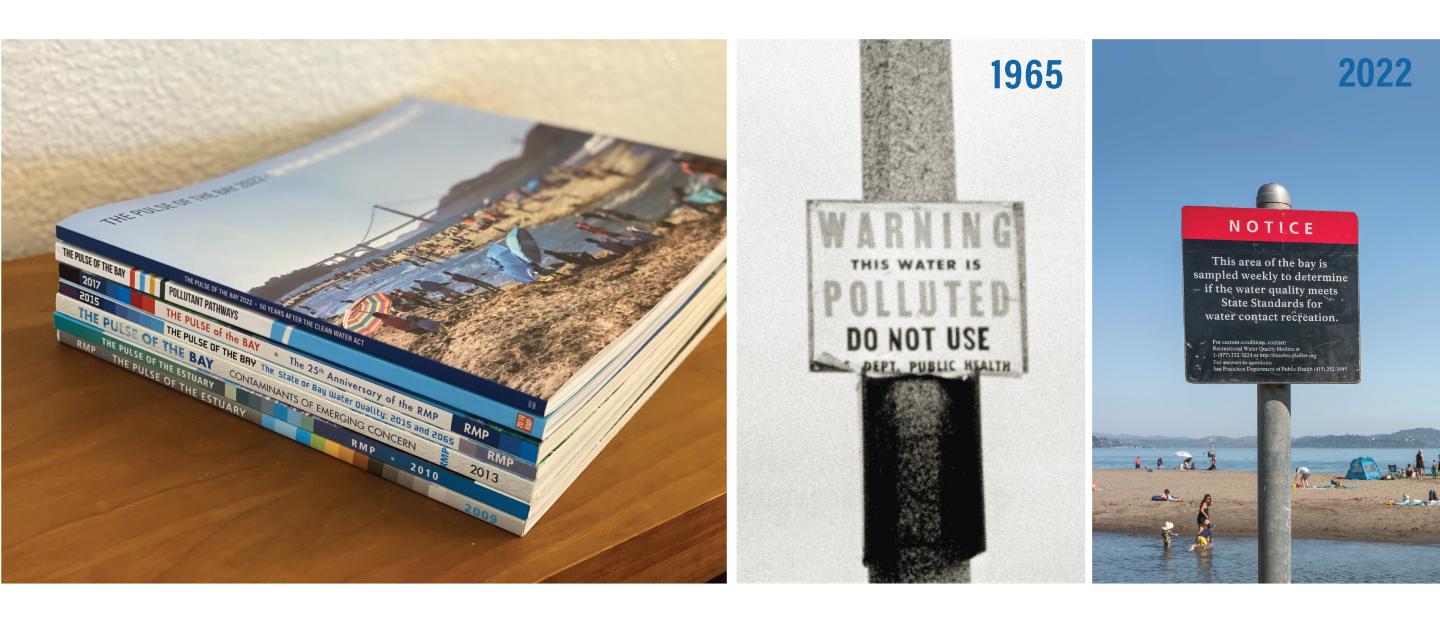
Celebrating the 50 year anniversary of the Clean Water Act, the 2022 issue of The Pulse tells the story of how environmental protection can have profound impacts on the world around us. Historic photos are used to illustrate the progress in water quality improvement the last five decades have brought to the Bay. Compelling graphics, maps, and photographs join together to bring the story of the Bay to a wide audience, and allow all readers to connect the importance of water quality to their own lives.
Focus Area:
Using Story to Reveal Scientific Findings
Using Story to Reveal Scientific Findings
Project: Hidden Nature SF Storymap
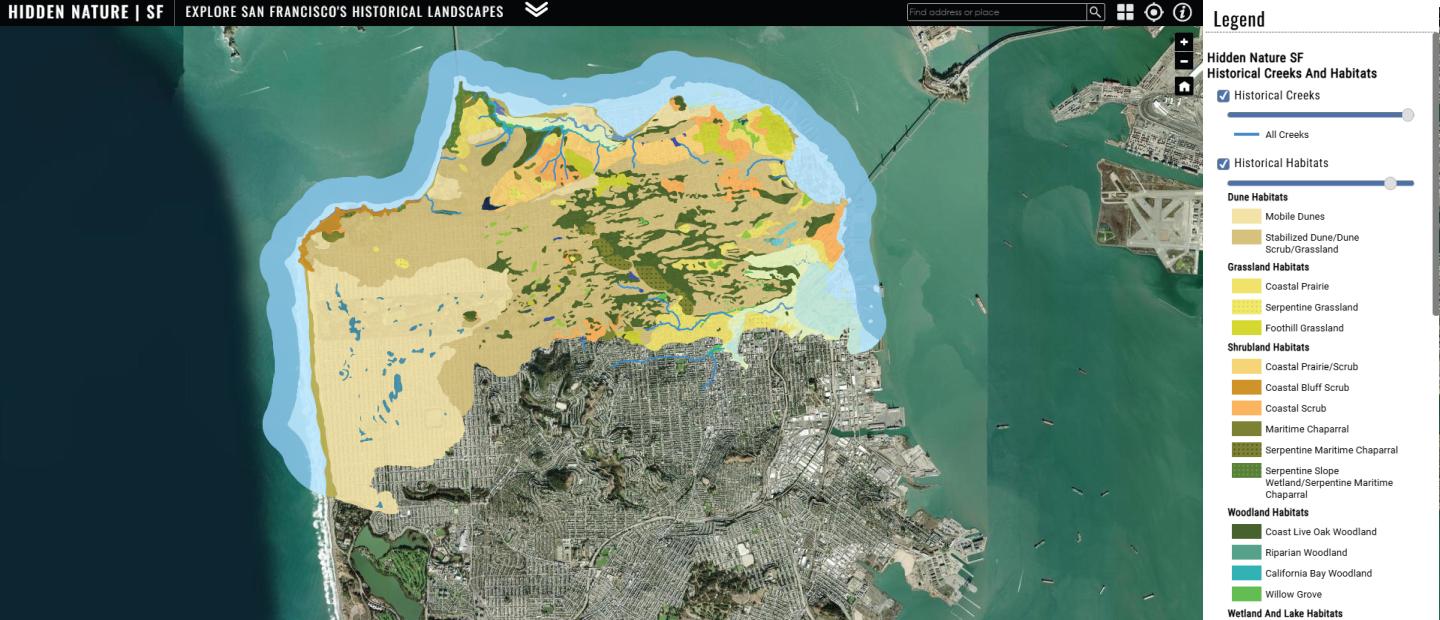
What did San Francisco’s habitats look like before the Victorian buildings and skyscrapers dominated the landscape? Hidden Nature SF is an interactive web map that allows users to be transported back in time to explore the drifting sand dunes, dwarf oaks, and unique wetland systems that once covered the City’s footprint. Interactive features paint a story of San Francisco’s past by showcasing historical photos, quotes, and habitat descriptions through the click of a button.
Focus Area:
Using Story to Reveal Scientific Findings
Using Story to Reveal Scientific Findings
Project: Sediment for Survival
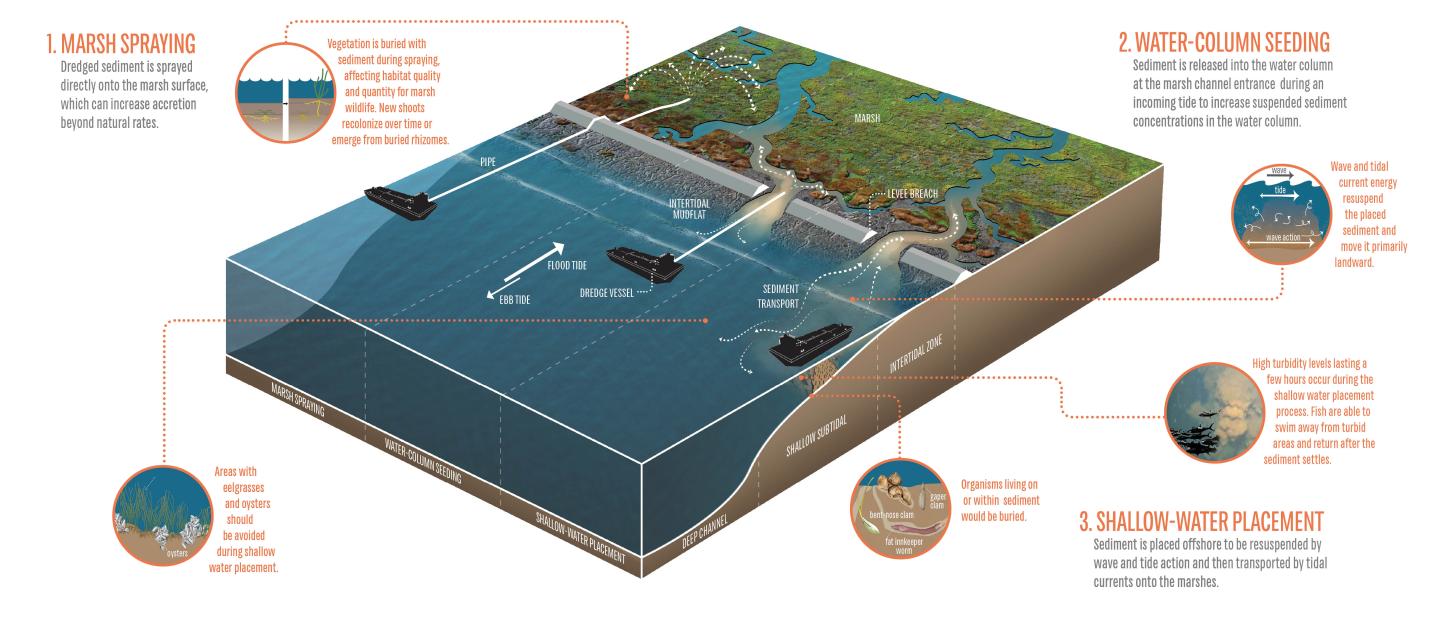
How will climate change impact our tidal marshes and mudflats, and what can we do to give them the best chance to survive and persist with sea level rise? One strategy is mud: tidal marshes and mudflats rely on mud, also called sediment, to keep pace with sea level rise. SFEI's report “Sediment for Survival” estimates that over the next 80 years, Bay Area communities will need to greatly supplement nature’s supply of sediment to sustain healthy wetlands and mudflats, and the essential services they provide to people and wildlife. This 3-dimensional drawing illustrates three strategic placement methods that reuse dredged sediment to nourish the Bay’s tidal marshes and mudflats.
Focus Area:
Using Story to Reveal Scientific Findings
Using Story to Reveal Scientific Findings
Project: Tire Pollution and Microplastics
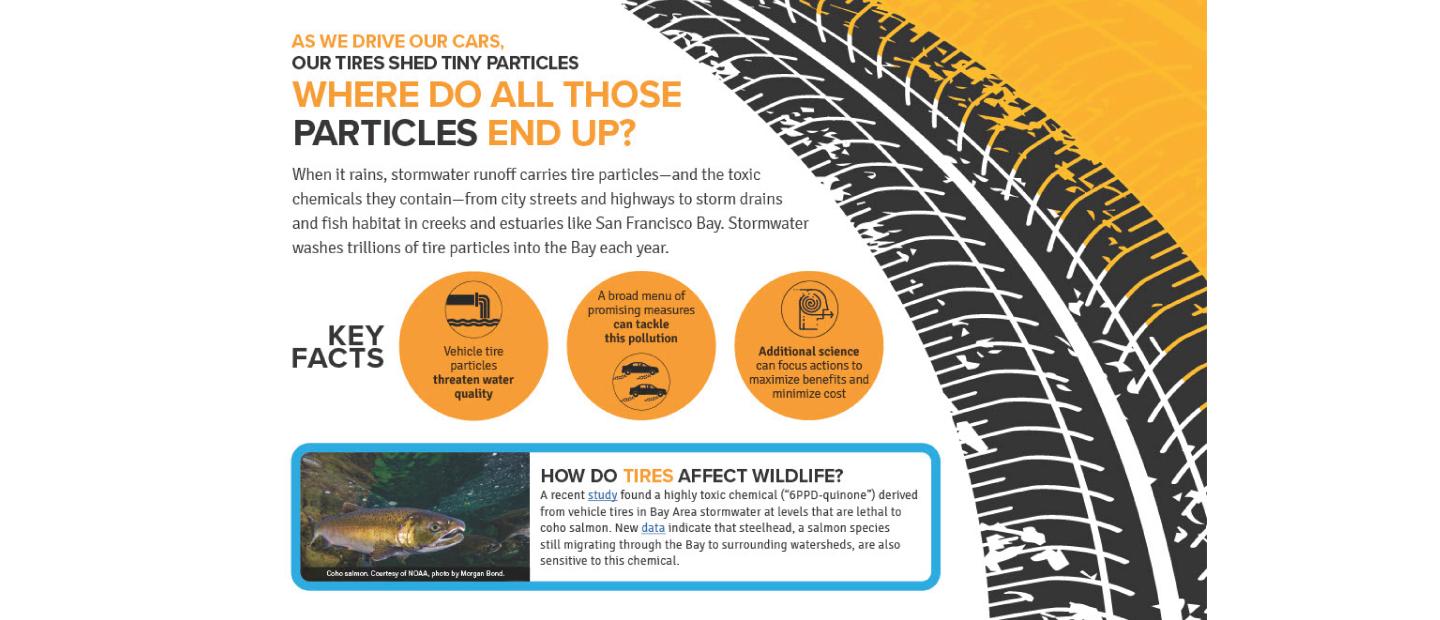
Despite tire particles being one of the largest contributors to microplastic pollution, few know the extent of the problem and its impact on our environment. SFEI’s Science Communication team distilled this information into a captivating fact sheet, outlining the problem and its effects in the Bay, as well as solutions to tire particle pollutants and future research directions. Condensing complex science into accessible and action-oriented posters for a variety of audiences is what allows SFEI’s work to inform decision making such as California’s Microplastics Strategy.
See Project