The Challenges
The Collaborative
Goals
To create healthier and more resilient cities, SFEI is establishing a Bay Area Urban Nature Collaborative, with three primary goals:
- Collaboratively set regional goals to provide multiple benefits across 3 key impact areas—urban nature, clean water, and public health.
- Link science to practice by providing tools and information to those who need it. We want to help solve existing problems, not create more process.
- Build on and leverage each others' efforts by breaking down silos and providing a framework for coordination.
Process & Leadership
The Collaborative will act as an umbrella framework for regional workgroups that focus on different urban nature issues, sectors, and disciplines. Workgroups will span an array of topics including green stormwater infrastructure, green jobs, and governance.
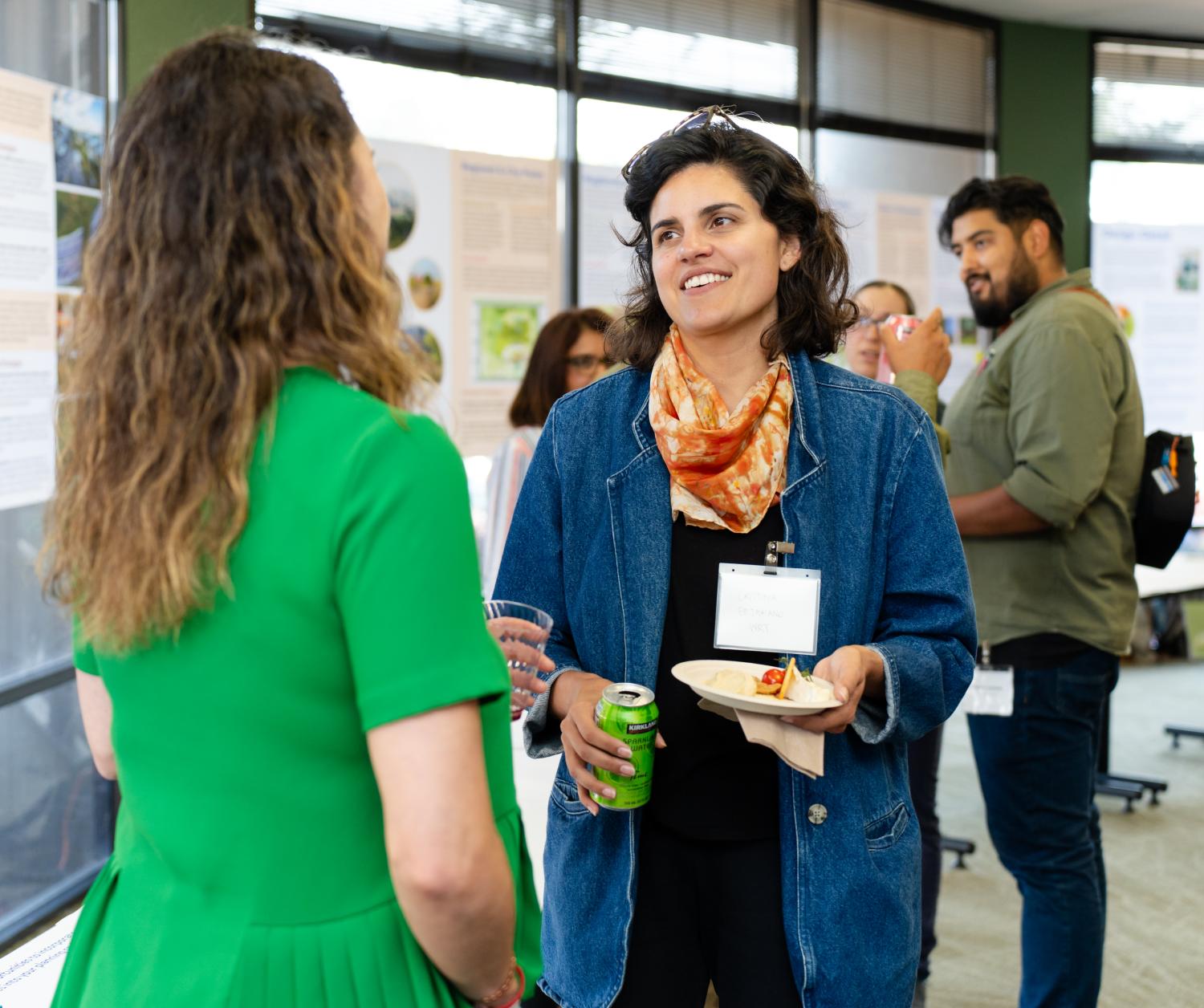
Workgroup members will include anyone interested in contributing their expertise on a particular topic – communities, community-based organizations, Tribes, nonprofit organizations, academics, private and public sector practitioners (planners, landscape architects, engineers) are all invited to join!
The overall process will be guided by a Steering Committee and a Technical Advisory Committee, and facilitated by a Core Team of SFEI staff.
Priorities
We are building an urban nature movement and the Collaborative is slowly gaining momentum – a regional vision is starting to emerge.
Our current priorities are:
- Fundraising
- Continuing to meet with new and existing partners
- Establishing the Steering Committee
- Establishing the Technical Advisory Committee
- Hosting urban nature-related events
See our technical priorities and needs in PRIORITY TOPICS below.
Partners
We are incredibly fortunate to launch the Collaborative with many partners supporting the effort.
Join us! We continue to actively look for partners and funding for the Collaborative. If you know of an organization or individual working on urban nature that we should connect with, please let us know by emailing Karen Verpeet at [email protected].
Funders
Funders are partner organizations that financially support the work of the Collaborative.

Endorsers
Endorsers are partner organizations that support the Collaborative but lack capacity to contribute time or funding. They philosophically endorse and support the Collaborative’s goals.



Advisors
Advisors are partner organizations that support the Collaborative but lack capacity to participate in a formal leadership role. They are thought partners to the Core Team and provide alignment between the Collaborative and the Advisor’s organization (and other efforts they are involved in or aware of).



Leadership
For partners participating as Steering Committee members, Technical Advisory Committee members, or Workgroups leads see LEADERSHIP.
Events
Tue, Jun 9 2026, 12pm
Urban Nature Collaborative Webinar
Tue, Feb 24 2026, 12 - 1pm
Join the Conversation: Bay Area Urban Nature Collaborative Webinar
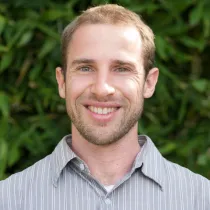
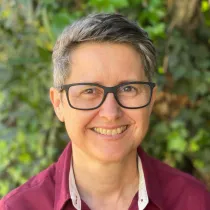
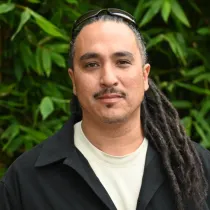
ASSOCIATED STAFF









Recent Publications
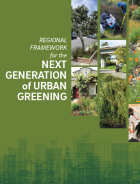
Regional Framework for the Next Generation of Urban Greening
The Regional Framework for the Next Generation of Urban Greening (“the Framework”) provides a roadmap for this alignment, offering nine essential steps to help practitioners navigate the complex, cross-cutting challenges…
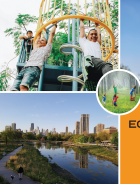
Ecology for Health: Design Guidance for Fostering Human Health and Biodiversity in Cities
Greenspaces provide crucial nature contact for urban residents. When we have greater access and exposure to nature in the places where we live, work, learn, and play, we tend to experience better human health outcomes.…
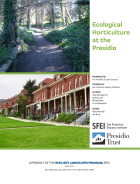
Ecological Horticulture at the Presidio
The Presidio of San Francisco—the nation’s largest urban national park—is located in an area of exceptional ecological diversity. Historically, many different habitat types thrived in the mix of…
Want to work with SFEI on The Bay Area Urban Nature Collaborative?
Get in touch.