Understanding how California’s streams and wetlands are faring depends on reliable data collection. In 2026, the California Rapid Assessment Method (CRAM) training program that makes that possible achieved a major milestone: reaching all Regional Water Quality Control Boards throughout the state. CRAM is a cost-effective and scientifically defensible field observational method for evaluating wetland conditions throughout California. It helps answer the fundamental question of “How are our streams and wetlands doing?”
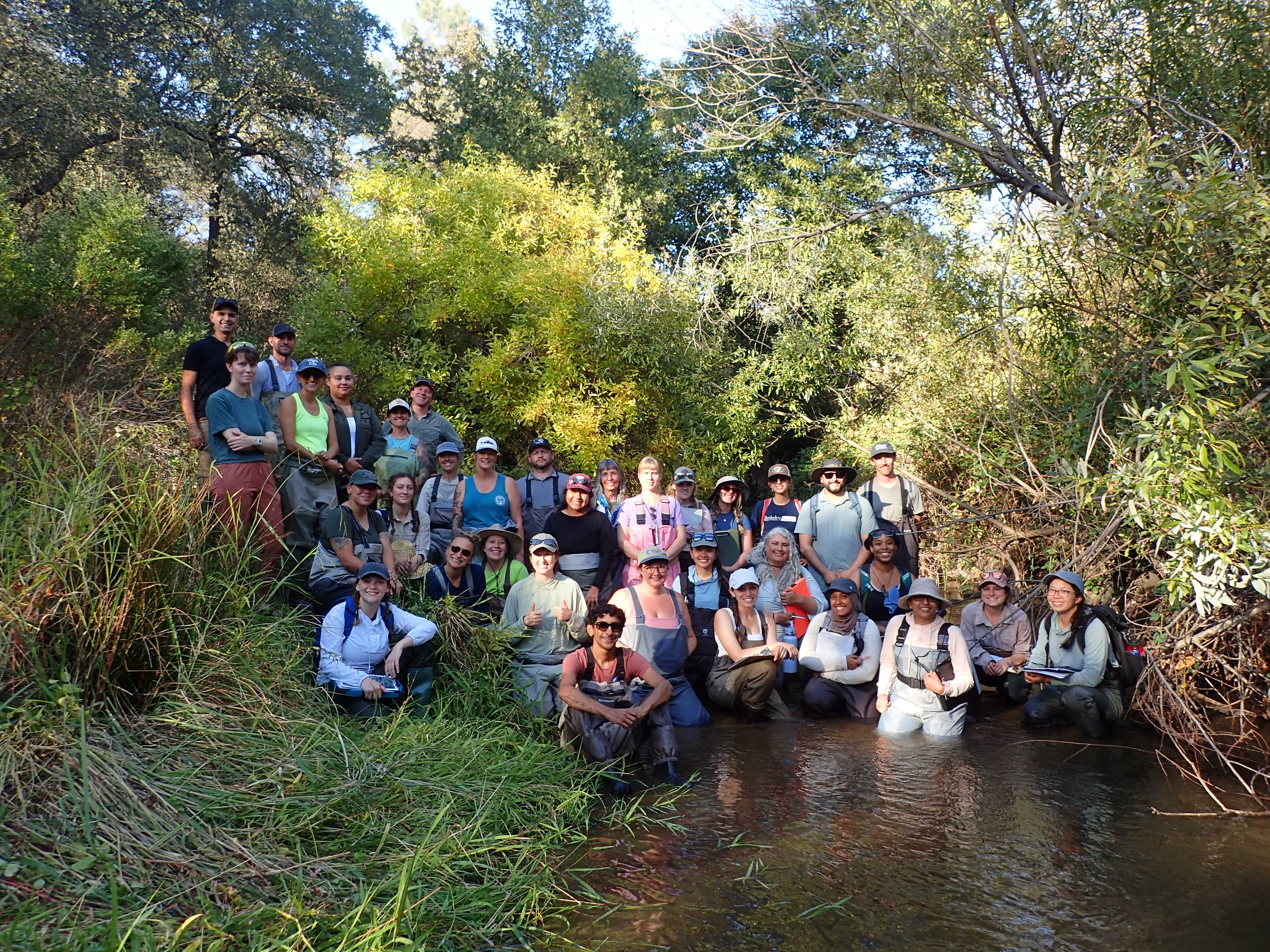
Through a combination of annual open-enrollment classes, State Water Board support, and grant funding from US Environmental Protection Agency (US EPA), the program trained 181 individuals representing 75 unique entities—making this our largest training year to date. A key highlight of the year was expanding statewide capacity for stream and wetland assessment. Through 5-day practitioner courses, nearly every Regional Water Board established at least two fully trained CRAM practitioners on staff.
Complementing this, 30 additional staff members from the State and Regional Water Boards completed 2-day specialized manager training courses.
Federal collaboration was instrumental in expanding the pool of trained practitioners. This summer, the US EPA sponsored two intensive 5-day CRAM Practitioner-level Trainings in Riverside and Sacramento. Together, these sessions alone trained 64 participants representing 11 Tribal nations and 20 state and federal agencies.
Overall, the 2026 training lineup delivered:
- 6 Annual Open-Enrollment Trainings (participant-funded)
- 2 US EPA-Funded Practitioner Trainings (Riverside & Sacramento)
- 1 California Water Board Training Academy Course tailored for manager-level decisions (funded by the State Water Board)
By connecting state regulators, Tribal leaders, and local practitioners, these trainings ensure consistent, high-quality data collection to guide wetland conservation and restoration across California.