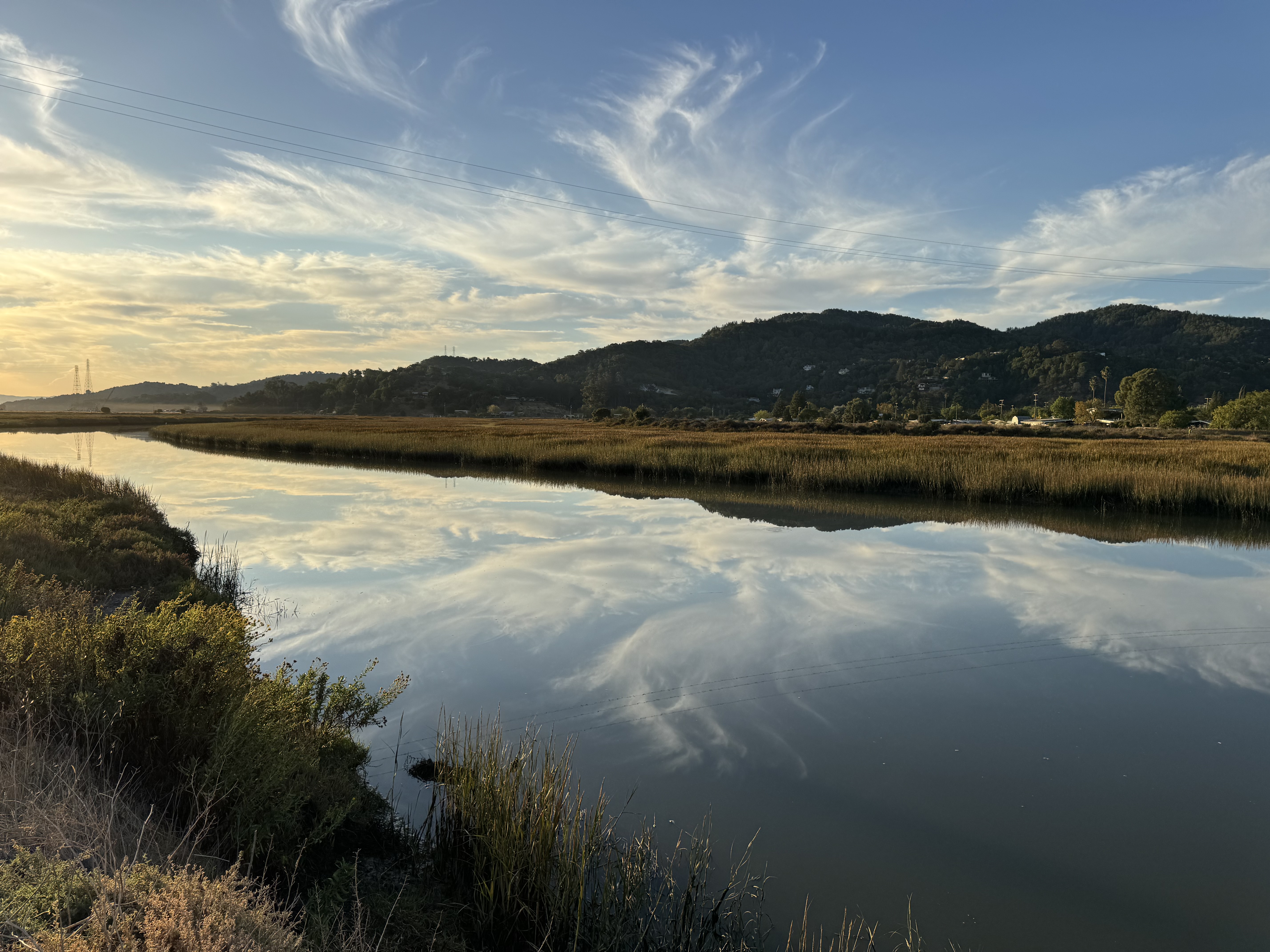
California has lost over 90% of its historic coastal and deltaic wetlands, which play a critical role in storing carbon, buffering communities from flooding, filtering water and supporting biodiversity. Despite a strong state policy framework, there remains a gap between policy and actual on-the-ground implementation due to unstable funding, permitting complexities and fragmented efforts.
Established by The Nature Conservancy (TNC), San Francisco Estuary Institute (SFEI), Pew Charitable Trusts and California Trout, the Wetlands for Climate (W4C) Partnership, aims to close this gap by connecting a wide range of practitioners—from state and local agencies to academic institutions and Tribes—to learn from one another and advance collective action. The goal of the Partnership is to understand progress and challenges related to wetland restoration and conservation across California’s different regions and to develop strategies that can help us meet regional and state targets.
The new report Wetlands for Climate: Regional Solutions for Statewide Action examines what’s working, persistent challenges, and key opportunities to accelerate wetland restoration in California. While regional capacity and coordination vary, four shared challenges emerged: funding, permitting, monitoring and tracking, and governance. Across all five regions, participants emphasized the need for cross-region knowledge sharing and stronger channels to deliver on-the-ground insights to inform decision-makers.
The W4C and California Coastal Resilience Network held a webinar on September 8th to explore the report’s findings and reflect on the future of climate-resilient wetlands in California.