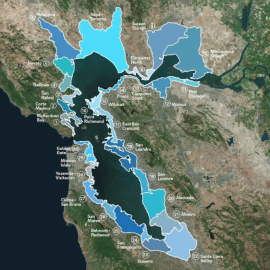
High nutrient concentrations can cause increased phytoplankton biomass, low dissolved oxygen, and increased harmful algal blooms and toxins, with detrimental effects on species and ecosystems. San Francisco Bay receives high nutrient loads mainly from discharged wastewater, but high turbidity, strong tidal mixing, and abundant filter-feeding clams have kept algal blooms in check. Following the historic algal bloom of 2022, regulators and managers recognize the Bay’s resilience to high nutrient loading is waning and nitrogen concentrations must be managed more proactively.
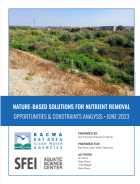
One potential solution to reducing nutrients discharged in wastewater involves nature-based solutions (NbS) such as open water treatment wetlands or horizontal levees. Under the 2019 Nutrient Watershed NPDES Permit, SFEI evaluated the use of NbS to assimilate nutrients on behalf of the wastewater plants that discharge to San Francisco Bay. Natural systems represent an alternative or complement to mechanical technologies.
SFEI collaborated with the Bay Area Clean Water Agencies (BACWA) to identify opportunities for wastewater agencies to reduce nutrient loads discharged to the Bay by implementing multi-benefit NbS. Land in the region is scarce and expensive, increasing the need for collaboration among public agencies capable of sharing land and resources to achieve multiple objectives. NbS can be designed to provide additional benefits beyond nutrient reduction, including wildlife habitat, flood risk management, and recreational opportunities.
In the first phase of work, we used a GIS suitability model to identify potential locations for nature-based solutions at the 37 treatment plants discharging to San Francisco Bay. In the second phase, we collaborated with staff at eight facilities to develop preliminary NbS concepts. In the final stage, we collaborated with HDR to develop early concept designs and cost estimates for three sites (Delta Diablo, Fairfield-Suisun Sewer District, and San Jose-Santa Clara Regional Wastewater Facility).
SFEI also produced two supplemental reports to support implementation of NbS at wastewater treatment plants: (1) an exploration of the potential to use equalization basins as dual-purpose treatment wetlands, and (2) a set of case studies on lessons learned from existing treatment wetlands in the San Francisco Bay region.
Download materials:
- Phase I Opportunities and Constraints factsheets
- Phase II Site Evaluations
- Phase III Concept Designs and Cost Estimates
- Dual-purpose Equalization Basins: A Seasonal Solution for Summer Nutrient Removal and Winter Storm Events
- Implementing Nature-based Solutions for Wastewater Management: SF Bay Area Examples (Case Studies)




Other Individual Contributors


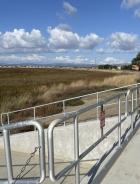
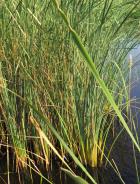
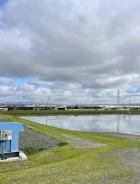
Prepared in partnership with Delta Diablo, Fairfield-Suisun Sewer District, and San José-Santa Clara Regional Wastewater Facility
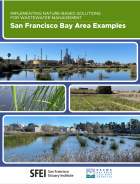
Prepared by the San Francisco Estuary Institute for the Bay Area Clean Water Agencies.
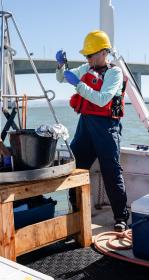
Want to work at SFEI as a Watershed Stewards Corps member?
For the last several years, SFEI has participated in a program that facilitates the training of entry-level professionals for environmental science fields. We encourage you to apply to this special program and contribute to ensure that California is a vibrant place for everyone! Applications to become a Fisheries & Restoration Specialist or Watershed Stewards Program Team Leader are due soon on June 30th.
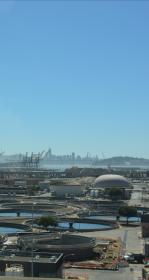
Nature-based solutions for wastewater treatment
High nutrient concentrations can cause increased phytoplankton biomass, low dissolved oxygen, and increased harmful algal blooms and toxins, with detrimental effects on species and ecosystems.
Nature-based solutions for wastewater treatment
High nutrient concentrations can cause increased phytoplankton biomass, low dissolved oxygen, and increased harmful algal blooms and toxins, with detrimental effects on species and ecosystems.